What Is an Eccentric Plug Valve? Complete Guide for Industrial Flow Control
May 22, 2026
Industrial valve technology is continuously advancing as modern industries demand higher efficiency, improved safety, tighter shutoff performance, and more precise control under increasingly complex operating conditions. Among the wide range of valves used in flow control systems, the eccentric plug valve stands out for its strong throttling capability, reliable sealing performance, and excellent adaptability to challenging media. It is widely applied in sectors such as oil and gas, power generation, chemical processing, mining, water treatment, and pulp and paper industries, where both isolation and accurate regulation are required.
An eccentric plug valve is a rotary control valve that features a plug-shaped closure element positioned slightly off-center relative to the valve seat. Unlike traditional plug or ball valves where continuous contact causes friction and wear, the eccentric design allows the plug to rotate away from the seat during most of its operation, significantly reducing wear and extending service life.
As the valve approaches the closed position, the plug follows an eccentric cam-like motion and gently engages the seat only at the final stage, ensuring tight shutoff with minimal abrasion. This design enhances sealing reliability while maintaining smooth operation. In demanding applications involving slurries, corrosive fluids, and high-pressure differentials, eccentric plug valves deliver stable flow control, durability, and reduced maintenance, making them a dependable solution for modern industrial systems.
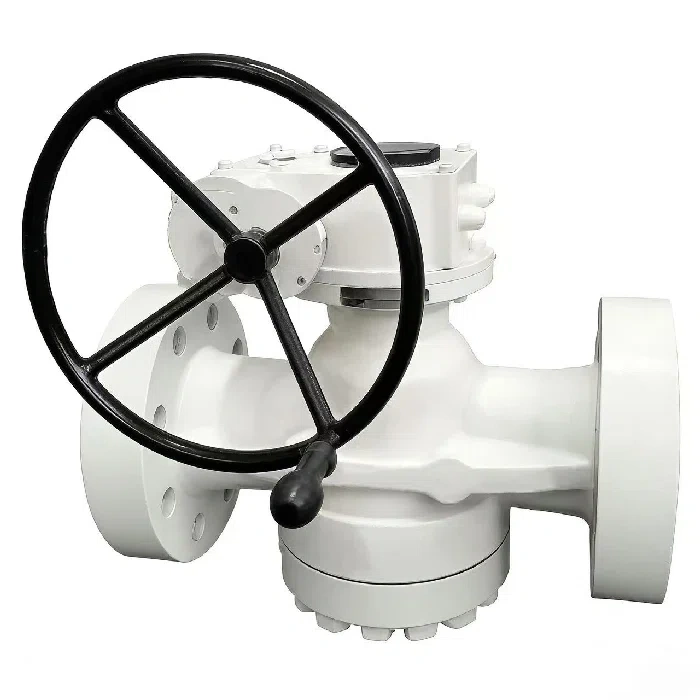
An eccentric plug valve is a quarter-turn rotary valve that uses an offset plug to regulate or isolate fluid flow within a piping system. The valve plug rotates asynchronously around a shaft positioned slightly away from the valve seat centerline. This offset geometry prevents continuous rubbing contact between the plug and seat during most of the operating cycle.
The plug itself is typically cylindrical or semi-spherical in shape and contains a specially designed port or opening. As the plug rotates, the opening aligns or misaligns with the pipeline flow path, controlling the amount of fluid passing through the valve.
Unlike traditional concentric valves where the sealing surfaces remain in constant frictional contact, the eccentric design allows the plug to disengage from the seat during opening. Contact occurs only near the fully closed position, greatly reducing wear on both the seat and sealing surfaces.
This operating principle provides several key advantages:
- Reduced operating torque
- Lower seat wear
- Improved sealing reliability
- Enhanced throttling capability
- Longer service life
- Better handling of dirty or abrasive media
Because eccentric plug valves combine rotary movement with globe-style control performance, they are widely used in applications requiring both shutoff and throttling functionality.
The performance and reliability of eccentric plug valves depend heavily on the design and quality of their internal components.
The valve body forms the main pressure-retaining structure and houses all internal components. It is typically manufactured from materials such as:
- Carbon steel
- Stainless steel
- Duplex stainless steel
- Cast iron
- Ductile iron
- Nickel alloys
- Bronze alloys
The body design may feature flanged, threaded, welded, or wafer-style connections depending on application requirements.
The eccentric plug is the primary flow-controlling element. Its offset mounting creates the camming motion responsible for the valve’s unique sealing characteristics.
The plug may feature various surface coatings or hard-facing materials to improve wear resistance and corrosion protection.
The seat provides the sealing interface against the plug during shutoff. Seat materials may include:
- Metal seats
- PTFE
- Elastomers
- Hardened alloys
- Ceramic coatings
Seat selection depends on temperature, pressure, and media characteristics.
The shaft transfers rotational motion from the actuator or handwheel to the plug. Bearings support smooth operation and minimize friction during rotation.
The stuffing box contains sealing packing around the shaft to prevent external leakage. High-quality packing systems are essential for maintaining safety and environmental compliance.
Eccentric plug valves may be operated manually or automatically using:
- Electric actuators
- Pneumatic actuators
- Hydraulic actuators
- Gear operators
Automation allows precise process control and remote operation.
The operating principle of eccentric plug valves is based on controlled rotational movement combined with eccentric geometry.
When the valve begins to open, the eccentric plug rotates away from the seat immediately after the initial movement. This eliminates scraping friction and reduces wear on the sealing surfaces.
As rotation continues, the plug opening aligns progressively with the flow path, allowing fluid to pass through the valve.
The valve can stop at intermediate positions to regulate flow. The unique plug geometry provides stable throttling characteristics and accurate flow modulation.
This makes eccentric plug valves suitable for applications requiring both isolation and precise control.
As the valve approaches the fully closed position, the eccentric motion forces the plug into the seat using a camming action. This dynamic alignment creates tight shutoff even after prolonged service.
The self-aligning sealing mechanism helps compensate for minor wear and maintains reliable sealing performance.
Eccentric plug valves are capable of handling both uni-directional and bi-directional flow depending on the application and valve design.
In many industrial systems, the valve must control flow in both directions. Eccentric plug valves are well suited for these applications because their simple internal geometry handles varying flow patterns efficiently.
Bi-directional designs are commonly used in:
- Water treatment
- HVAC systems
- General industrial processing
- Utility pipelines
Some severe-service applications require uni-directional valve designs to optimize shutoff performance and reduce media entrapment.
In slurry handling or high differential pressure applications, the eccentric offset is aligned with the process flow direction to ensure:
- Non-clogging operation
- Positive shutoff
- Reduced erosion
- Prevention of trapped solids
Proper flow orientation is critical for maximizing valve performance and service life.
The design of eccentric plug valves combines features from multiple valve technologies to achieve superior performance.
Eccentric plug valves share similarities with sector ball valves in terms of body structure and rotary operation. However, the key difference lies in the plug geometry and seat interaction.
In conventional ball valves, the ball remains in continuous contact with the seat. This can create friction, wear, and higher operating torque.
In eccentric plug valves, the offset design eliminates continuous seat contact until final closure.
The plug geometry and throttling characteristics resemble those of globe valves. This allows eccentric plug valves to provide:
- Accurate flow control
- Stable throttling performance
- Improved pressure regulation
The combination of rotary movement and globe-style control makes eccentric plug valves highly versatile.
One of the most important design principles is the eccentric camming motion. As the valve closes, the plug cams into the seat, creating dynamic sealing pressure without excessive friction during operation.
This feature significantly improves sealing reliability and operational longevity.
Eccentric plug valves offer numerous advantages that make them suitable for demanding industrial applications.
Excellent Throttling Capability
The valve design allows precise control over flow rates, making it ideal for modulating service.
Tight Shutoff Performance
The camming action provides reliable sealing even after extensive cycling.
Reduced Wear
Minimal seat contact during operation reduces friction and extends service life.
Low Operating Torque
Reduced friction lowers actuator requirements and improves operational efficiency.
Handling of Dirty Media
Eccentric plug valves can handle slurries, solids, and viscous fluids without clogging.
Long Service Life
Durable construction and reduced wear contribute to extended operational life.
Simplified Maintenance
The straightforward mechanical design allows easier inspection and maintenance.
Eccentric plug valves are used in a wide variety of industries.
Common applications include:
- Sludge handling
- Chemical dosing
- Clarifier systems
- Pump isolation
Used for:
- Pipeline control
- Refinery processing
- Produced water handling
- Offshore systems
The valves handle corrosive and abrasive chemicals while maintaining reliable sealing performance.
Mining operations use eccentric plug valves for slurry transport and abrasive material handling.
Power plants use these valves for steam control, cooling systems, and process water management.
Fibrous media and pulp slurries require valves capable of resisting clogging and wear.
Material selection plays a critical role in valve performance.
Carbon Steel
Suitable for general industrial service.
Stainless Steel
Provides corrosion resistance for chemical and marine applications.
Duplex Stainless Steel
Offers high strength and superior corrosion resistance.
Nickel Alloys
Used for highly corrosive environments.
Bronze and Aluminum Bronze
Common in seawater and marine systems.
Compared with Ball Valves
Eccentric plug valves provide better throttling and reduced seat wear.
Compared with Butterfly Valves
They offer tighter shutoff and improved handling of abrasive media.
Compared with Globe Valves
Eccentric plug valves require lower operating torque and provide more compact installation.
Compared with Gate Valves
They allow superior throttling performance and faster operation.
Modern eccentric plug valves increasingly incorporate automation technologies.
Electric Actuation
Electric actuators provide accurate positioning and remote control.
Pneumatic Actuation
Pneumatic systems offer rapid response and reliable operation in hazardous environments.
Digital Positioners
Smart positioners improve flow control accuracy and diagnostic capabilities.
Predictive Maintenance
Integrated monitoring systems help identify wear and maintenance needs before failure occurs.
Proper installation is essential for optimal performance.
Correct Flow Direction
Follow manufacturer flow direction recommendations carefully.
Pipe Alignment
Improper pipe alignment can create excessive stress on the valve body.
Actuator Accessibility
Allow adequate space for maintenance and operation.
Vibration Control
Excessive vibration can reduce valve life and sealing performance.
Routine maintenance helps ensure long-term reliability.
Inspection of Sealing Surfaces
Check for wear, erosion, or damage.
Packing Adjustment
Proper packing tension prevents leakage without increasing operating torque.
Lubrication
Lubricate bearings and moving parts as recommended.
Actuator Maintenance
Inspect actuator systems regularly for calibration and wear.
Industrial valve technology continues evolving to meet modern process requirements.
Advanced Materials
New coatings and alloys improve wear resistance and corrosion protection.
Improved Automation
Smart valve systems provide enhanced diagnostics and remote monitoring.
Energy Efficiency
Lower torque designs reduce actuator energy consumption.
Enhanced Environmental Compliance
Improved sealing systems help minimize fugitive emissions.
Eccentric plug valves have become an essential component in modern industrial flow control systems due to their outstanding combination of reliable shutoff, precise throttling capability, and resistance to wear. Their unique eccentric camming design minimizes seat friction during operation while ensuring tight sealing performance in the closed position. This innovative operating principle allows eccentric plug valves to handle challenging applications involving abrasive slurries, corrosive chemicals, suspended solids, and high-pressure differentials.
Compared with many traditional valve types, eccentric plug valves offer lower operating torque, longer service life, improved flow control accuracy, and simplified maintenance requirements. Their versatility makes them suitable for industries including water treatment, oil and gas, mining, power generation, pulp and paper, and chemical processing.
As industrial systems continue demanding higher efficiency, improved automation, and enhanced reliability, eccentric plug valve technology is expected to evolve further through advanced materials, smart actuation systems, and predictive maintenance capabilities. These developments will continue strengthening the role of eccentric plug valves in critical industrial applications worldwide.
For industries seeking dependable, durable, and efficient flow control solutions, eccentric plug valves remain one of the most effective and versatile valve technologies available today.
Previous: Replacing Imported Cryogenic Valve Parts with Domestically Produced Components
Next: Complete Guide to Y Strainers: Types, Uses, and Maintenance in Industry Systems