Y-Type Strainer
A Y-Type Strainer is an essential filtration component designed to remove unwanted particles, debris, and contaminants from liquid pipeline systems. Featuring a compact Y-shaped body with a removable mesh screen, it effectively protects valves, pumps, meters, and other downstream equipment from damage caused by impurities. Its durable design ensures reliable filtration performance while allowing quick and convenient maintenance through easy cleaning or replacement of the straining element. As a leading Y Type Strainer manufacturer in China, VERVO provides high-quality, customizable strainer solutions with various materials, pressure ratings, sizes, and connection options for industrial applications.
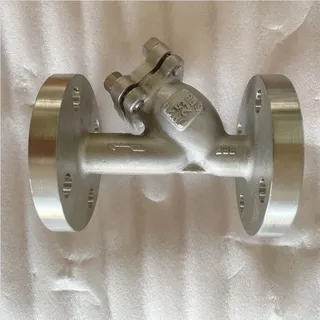
BS EN 12516 Y Strainer, A351 CF8, DN20, PN25, Bolted Bonnet
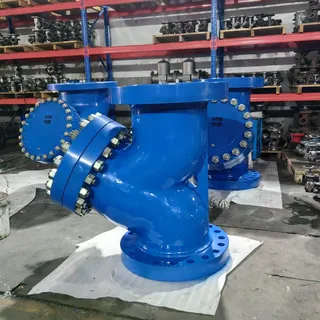
ASME B16.34 Y Strainer, ASTM A216 WCB, 6 Inch, CL 150 LB
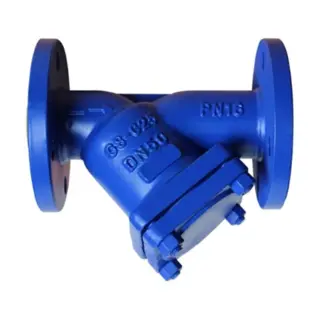
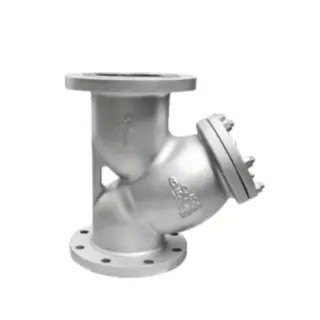

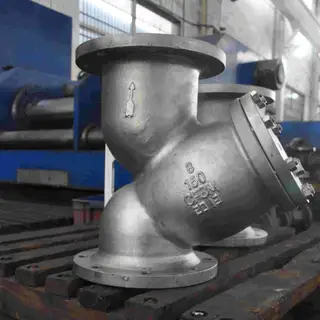
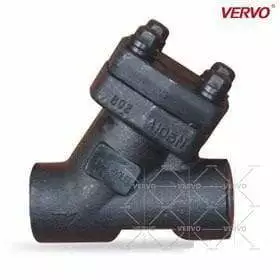
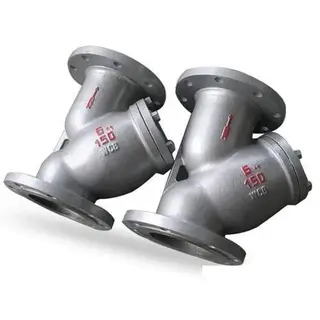
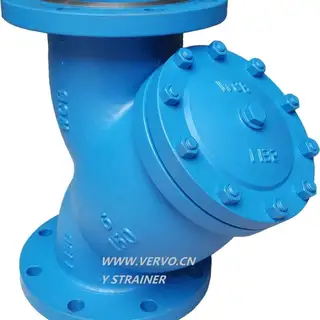
A Y-Type Strainer is an essential filtration device widely used in industrial fluid control systems to remove unwanted solid particles and protect downstream equipment from contamination. Designed with a unique Y-shaped body configuration, this mechanical strainer effectively captures debris, impurities, and foreign materials from flowing liquids, gases, and steam.
In many industrial pipelines, fluids may contain unwanted particles such as sand, gravel, rust, scale, welding slag, and other solid contaminants. If these materials enter sensitive equipment, they can cause blockages, reduce efficiency, increase wear, and lead to costly maintenance or unexpected system shutdowns. A Y Type Strainer provides a simple and reliable solution by filtering these particles before they reach critical components.
Y-Type Strainers are commonly installed upstream of important equipment, including pumps, control valves, flowmeters, compressors, heat exchangers, steam traps, and regulators. By preventing contamination-related failures, they help improve system reliability, extend equipment service life, and reduce operational costs.
Due to their compact design, high-pressure capability, and versatile application range, Y Type Strainers are widely used in industries such as oil and gas, chemical processing, power generation, water treatment, HVAC, food and beverage, pharmaceutical, and marine systems.
The operating principle of a Y-Type Strainer is simple but highly effective. It uses a removable filtration screen installed inside a Y-shaped housing to separate solid particles from the flowing medium.
The filtration process includes three main stages:
The process fluid enters the Y-Type Strainer through the inlet connection. Depending on the application, the flowing medium may be water, oil, steam, gas, chemicals, or other industrial fluids.
After entering the strainer body, the fluid passes through the internal filter screen or perforated element. Solid particles larger than the opening size of the screen are captured and retained inside the strainer basket.
The clean fluid continues flowing through the screen and exits through the outlet port, while contaminants remain trapped inside the filtration chamber.
The filtered fluid leaves the strainer and continues downstream to connected equipment. By removing unwanted debris before it reaches sensitive components, the Y-Type Strainer helps maintain stable system performance.
The filtration process is supported by two important operating principles:
The angled chamber design of the Y Type Strainer reduces the flow velocity inside the filtration area. This allows heavier particles to move downward and collect inside the strainer pocket rather than continuing through the pipeline.
Gravity assists the filtration process by causing larger and heavier debris to settle into the lower section of the Y-shaped chamber. Smaller particles are captured by the mesh screen, ensuring effective contamination removal.
Over time, debris accumulates inside the filter element. As the amount of trapped material increases, fluid resistance rises and pressure loss occurs. When the differential pressure reaches a certain level, the strainer requires cleaning or maintenance.
Fortunately, Y Type Strainers are designed for easy access. The filter screen can be removed, cleaned, inspected, and reinstalled without replacing the complete unit, making maintenance fast and cost-effective.
A Y-Type Strainer consists of several important components that work together to provide efficient filtration and reliable operation.
The body is the main pressure-containing component of the Y Type Strainer. It houses the internal filter element and provides structural strength to withstand pipeline pressure.
Common body materials include:
- Stainless steel
- Carbon steel
- Cast iron
- Cast steel
- Bronze
Material selection depends on factors such as fluid type, temperature, pressure rating, and corrosion requirements.
For corrosive applications, stainless steel Y-Type Strainers are often preferred due to their excellent resistance to chemical attack and long service life. Carbon steel models are commonly used in general industrial applications where high mechanical strength is required.
The filter element is the core filtration component of the Y Type Strainer. It is usually manufactured from perforated metal sheets or stainless steel mesh.
Its main function is to capture solid contaminants while allowing clean fluid to pass through.
Different mesh sizes are available to meet various filtration requirements. For example:
- Coarse mesh screens remove larger particles such as rust flakes and debris.
- Fine mesh screens capture smaller contaminants requiring higher filtration accuracy.
Choosing the correct mesh size is essential because an overly fine screen may increase pressure drop, while an oversized opening may fail to remove unwanted particles.
The cover provides access to the internal filter element for cleaning and maintenance. It is typically secured using bolts or threaded connections to ensure reliable sealing.
A removable cover design allows operators to quickly inspect the screen, remove accumulated debris, and perform routine maintenance without replacing the entire strainer.
Many Y-Type Strainers include a drain plug at the bottom of the strainer chamber. This feature allows collected contaminants and trapped fluids to be removed easily during cleaning operations.
For steam or gas applications, drain connections can also assist with system maintenance and condensate removal.
Gaskets ensure a leak-free connection between the body and cover. The gasket material must be compatible with the operating medium, pressure, and temperature conditions.
Common gasket materials include PTFE, graphite, rubber, and other specialized sealing materials.
Y-Type Strainers provide several benefits for industrial fluid systems:
By removing solid contaminants before they reach sensitive components, Y Type Strainers help prevent damage to pumps, valves, meters, and other equipment.
Effective filtration reduces the frequency of equipment repairs and helps extend component service life. Cleaner fluid systems operate more efficiently and require fewer maintenance interventions.
The Y-shaped configuration provides a compact footprint, making these strainers suitable for applications where installation space is limited.
The removable screen design allows quick cleaning and replacement, reducing system downtime.
Y Type Strainers can handle various fluids, including liquids, gases, and steam, making them suitable for many industrial environments.
Y Type Strainers are used in numerous industries where fluid cleanliness and equipment protection are important.
They protect pipelines, pumps, valves, and processing equipment from contaminants found in petroleum products and process fluids.
Y Type Strainers remove impurities from chemical solutions while protecting sensitive equipment from particle damage.
They are commonly installed before steam traps, control valves, and regulators to prevent blockage caused by scale and rust.
Y Type Strainers remove sediment and debris from water pipelines, improving system reliability.
They protect pumps, chillers, and heat exchangers from contaminants that could reduce efficiency.
Power plants use Y Type Strainers to protect cooling systems, lubrication systems, and process equipment.
Choosing the correct Y-Type Strainer requires consideration of several operating factors.
The strainer material and screen design should match the characteristics of the process fluid, including corrosiveness, viscosity, and temperature.
The selected strainer must meet the system’s maximum pressure and temperature requirements to ensure safe operation.
The strainer size should match the pipeline diameter and required flow capacity. An incorrectly sized strainer may cause excessive pressure loss or insufficient filtration.
The screen opening should provide the required filtration level while maintaining acceptable flow performance.
Common material options include stainless steel, carbon steel, cast iron, and bronze. The correct material depends on application conditions and environmental factors.
A Y-Type Strainer is a reliable and cost-effective filtration solution designed to protect industrial pipeline systems from unwanted particles and debris. Its simple design, efficient filtration performance, easy maintenance, and wide application flexibility make it an important component in steam, gas, and liquid systems.
By selecting the correct size, material, pressure rating, and mesh configuration, companies can improve equipment reliability, reduce maintenance expenses, and ensure stable operation. Whether used in oil and gas, chemical processing, water treatment, or power generation, Y Type Strainers provide dependable protection for critical industrial equipment.