Cryogenic Ball Valves
Cryogenic ball valves are specially engineered for reliable flow control in ultra-low-temperature applications, typically operating below -40°C in liquefied gas and cryogenic systems. Designed with cryogenic-grade materials, extended bonnet construction, and high-performance sealing components, these valves maintain excellent tightness, durability, and operational reliability under extreme conditions. They are essential for handling LNG, liquid oxygen, liquid nitrogen, liquid hydrogen, and other cryogenic media where conventional valves cannot perform effectively. As a leading cryogenic ball valve manufacturer in China, VERVO supplies premium cryogenic ball valves for LNG, industrial gas, petrochemical, and air separation industries.
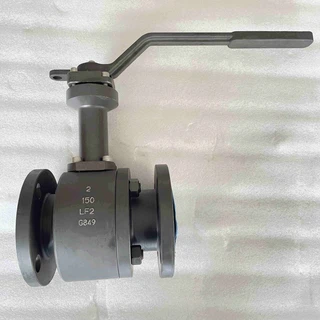
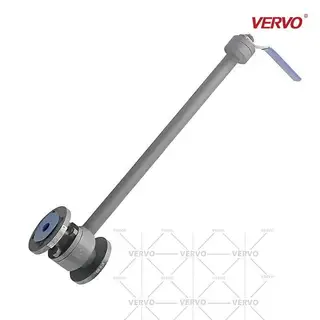
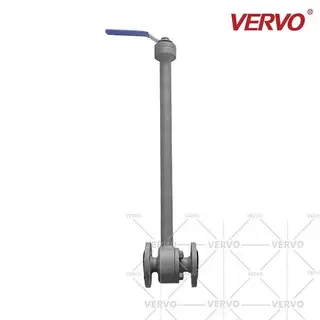
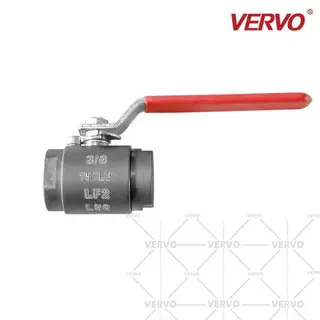
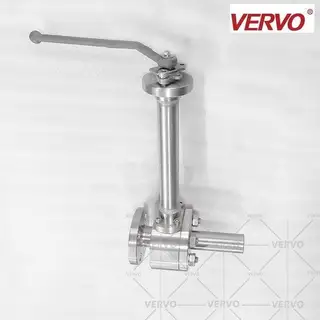
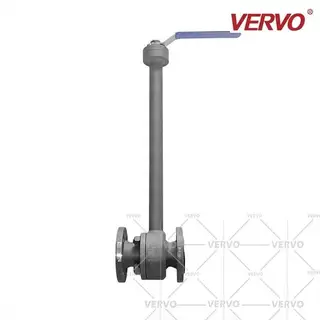
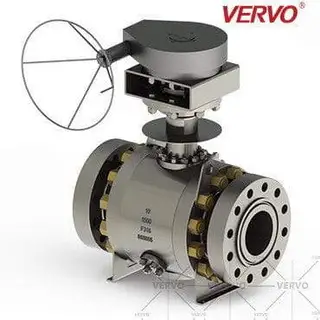
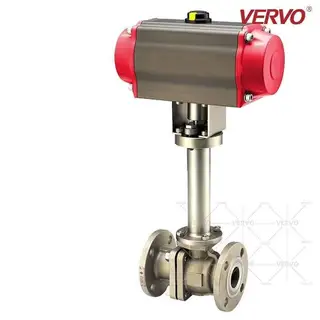
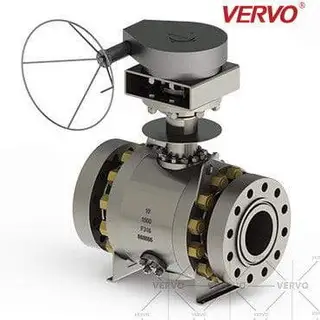
Cryogenic ball valves are specially designed valves used for controlling fluids at extremely low temperatures, typically below –40°C. These valves play a critical role in systems handling liquefied gases and cryogenic media, where safety, sealing integrity, and reliable operation are essential. Due to the unique physical properties of cryogenic fluids, standard ball valves are unsuitable for such applications, making cryogenic ball valves an indispensable solution in low-temperature industries.
Cryogenic ball valves are widely used for liquid media such as liquid oxygen (LOX), liquid hydrogen (LH₂), liquefied natural gas (LNG), and liquefied petroleum products (LPG). These fluids are often flammable, explosive, or highly volatile. When exposed to heat or pressure changes, cryogenic liquids can vaporize rapidly, causing a dramatic increase in volume. If the valve design does not properly account for this behavior, excessive pressure may build up inside the valve cavity, potentially leading to leakage, deformation, or even valve cracking. Cryogenic ball valves are engineered specifically to mitigate these risks.
The first and most critical step in ensuring the safe performance of a cryogenic ball valve is proper material selection. At extremely low temperatures, many conventional materials lose toughness and become brittle. To prevent cold brittleness and mechanical failure, cryogenic ball valves are typically manufactured from low-temperature carbon steel or stainless steel.
Commonly used materials include LCB, LC3, LF2, CF8, and F304, all of which maintain excellent strength, ductility, and corrosion resistance in cryogenic environments. These materials ensure structural stability and long-term reliability, even under repeated thermal cycling and pressure fluctuations.
For cryogenic media with temperatures below –50°C, cryogenic ball valves are commonly equipped with an extended bonnet or extended stem design. The length of the extension is determined by the lowest operating temperature of the application. This extended structure is one of the defining features of cryogenic ball valves and serves several important functions.
First, it significantly reduces heat transfer from the external environment into the valve body, improving thermal efficiency and preventing unwanted vaporization of the cryogenic fluid. Second, the extended bonnet keeps the packing gland temperature above 0°C, ensuring that sealing materials remain flexible and functional. Finally, it prevents ice formation and freezing of components located above the stem, allowing smooth and reliable valve operation.
Cryogenic ball valve offers tight shut-off performance, fast operation, and minimal pressure drop, making them ideal for both isolation and control in cryogenic systems. Their quarter-turn operation enables quick response in emergency situations, while precision-engineered sealing systems ensure leak-tight performance even under extreme temperature conditions.
In addition, many cryogenic ball valves are designed with pressure relief features to prevent overpressure in the valve cavity caused by trapped cryogenic fluids. This further enhances safety and protects the valve from internal damage.
Cryogenic ball valves are widely used across industries that rely on low-temperature fluid handling. Key applications include LNG export and import terminals, air separation plants, petrochemical facilities, industrial gas processing, and hydrogen energy systems. Their robust design makes them suitable for both onshore and offshore cryogenic installations.
As a leading cryogenic ball valve manufacturer in China, we specialize in designing and manufacturing valves engineered to withstand the most demanding low-temperature conditions. Our cryogenic ball valves are widely applied in LNG export facilities and other critical cryogenic services, offering reliable performance, enhanced safety, and long service life. With advanced manufacturing capabilities and strict quality control, we provide dependable cryogenic valve solutions for global industrial markets.