Pressure Seal Globe Valve
Pressure seal globe valves are high-performance flow control solutions designed for demanding applications involving high pressure, high temperature, and hazardous media. Featuring an advanced pressure seal bonnet design, these valves use internal system pressure to enhance sealing force between the bonnet and body, ensuring reliable, leak-free operation. Their robust metal-to-metal sealing structure provides excellent resistance to thermal cycling, pressure fluctuations, and harsh operating conditions. Ideal for superheated steam, power generation, chemical processing, and industrial systems, pressure seal globe valves deliver long service life, safety, and superior performance. As a leading Pressure Seal Globe Valve manufacturer in China, VERVO provides durable, precision-engineered valve solutions for critical applications.
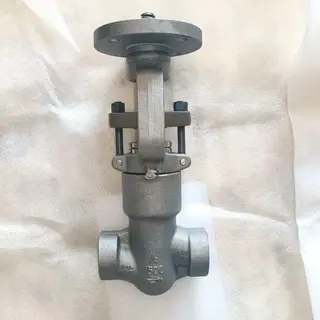
ASME B16.34 Globe Valves, A182 F91, 1-1/2 IN, 1500 LB, OS&Y
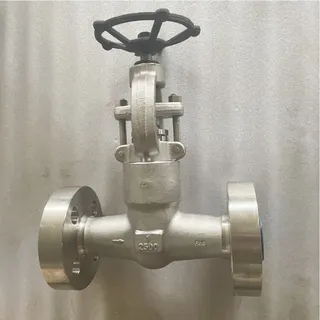
Pressure Seal Bonnet Globe Valve, API 602, F316, 1IN, CL2500
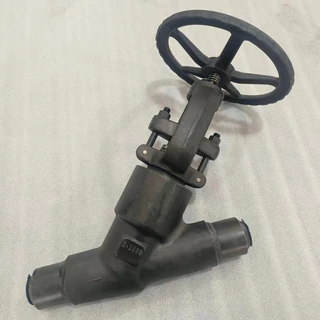
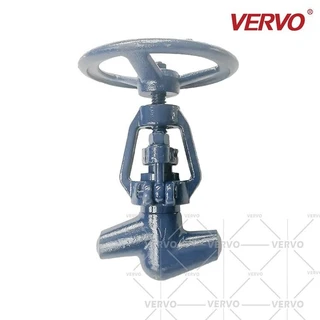
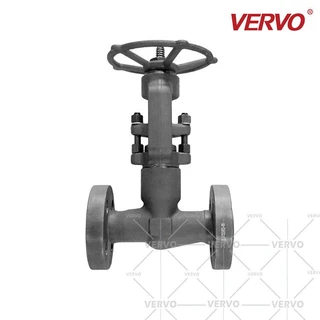
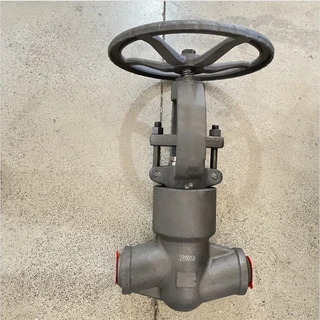
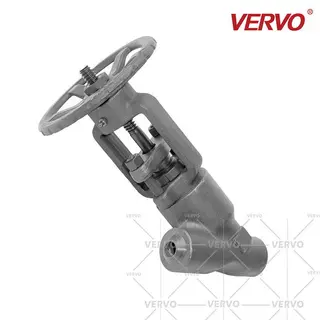
Forged Steel Y Globe Valve, 1 Inch, DN25, 2500 LB, PN420, BW
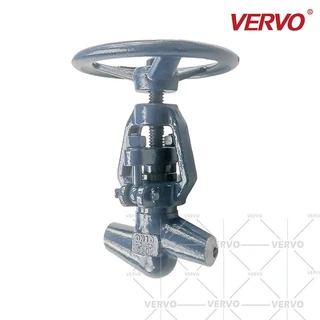
Pressure Seal Bonnet Globe Valve, 2690 LB, 1-1/2 Inch, API 602, BW
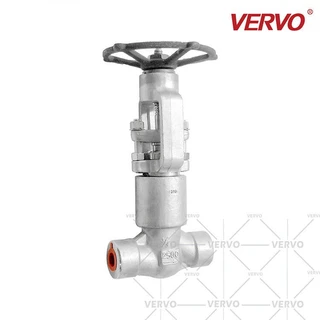
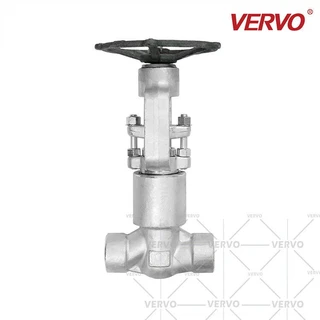
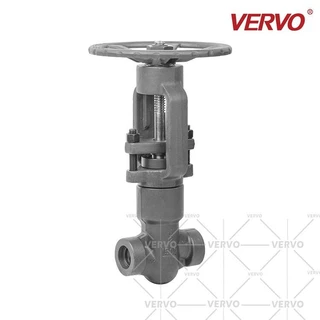
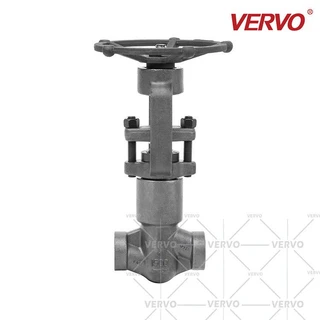
A Pressure Seal Globe Valve is a high-performance valve specifically engineered for demanding high-pressure and high-temperature applications, typically in pressure classes ranging from ASME Class 900 to Class 2500 and beyond. Unlike conventional bolted bonnet globe valves that depend on large flanges and heavy bolting to maintain a pressure boundary, a pressure seal globe valve employs an innovative pressure-energized sealing design that becomes stronger as internal pressure increases.
In traditional bolted bonnet valves, increasing system pressure places additional stress on bonnet bolts and gasket surfaces, potentially leading to leakage, gasket deformation, or frequent maintenance requirements. Pressure seal technology eliminates many of these concerns by utilizing the internal line pressure itself to enhance the sealing force between the bonnet and valve body.
This self-energizing sealing principle provides superior reliability, exceptional sealing integrity, and long service life under severe operating conditions. As a result, pressure seal globe valves have become the preferred solution for critical applications involving superheated steam, high-pressure water, hydrogen, hydrocarbons, and other hazardous or aggressive process media.
These valves are extensively used in power generation facilities, petrochemical plants, refineries, offshore platforms, fertilizer production, and other industrial systems where operational safety and leak prevention are essential.
Although pressure seal globe valves share many design features with conventional globe valves, their bonnet sealing arrangement differs significantly.
The valve consists of standard globe valve components including:
- Valve body
- Bonnet
- Disc or plug
- Seat ring
- Stem
- Packing assembly
- Yoke
- Actuator or handwheel
The major difference lies in the bonnet-to-body sealing mechanism.
In a conventional bolted bonnet valve, the bonnet gasket is compressed between two large flanges using multiple high-strength bolts. As operating pressure increases, greater loads are transferred directly to the bolting system, which can increase the risk of gasket failure or leakage over time.
Pressure seal globe valves use a pressure-assisted bonnet seal instead.
The valve bonnet is designed with a tapered profile that fits precisely into the valve body cavity. Between the bonnet and body sits a pressure seal gasket, typically manufactured from materials capable of withstanding elevated temperatures and pressures.
When internal system pressure rises, the pressure acts on the bonnet assembly and pushes it deeper into the sealing area. This creates greater contact force between the bonnet, gasket, and valve body, effectively improving the seal as pressure increases.
Simply put, higher pressure generates a tighter seal.
This unique design offers several advantages:
- Reduced stress on external bolting
- Improved leak prevention
- Enhanced operational safety
- Longer gasket service life
- Reduced maintenance requirements
The stem sealing system also plays a critical role in pressure seal valve performance.
Rather than relying solely on traditional gland flange compression, many pressure seal valves incorporate advanced stem packing arrangements featuring metal-to-metal support surfaces, live-loaded packing systems, and optimized packing geometries. These features maintain consistent sealing performance throughout temperature fluctuations and pressure cycles.
The result is a highly reliable sealing system capable of containing hazardous fluids while minimizing external emissions and environmental risks.
Like all globe valves, pressure seal globe valves utilize a linear motion disc and seat arrangement to regulate flow.
As the stem moves vertically, the valve disc approaches or moves away from the seat ring, controlling the size of the flow passage and allowing accurate throttling performance.
This design provides excellent flow control characteristics, including:
- Stable flow regulation
- High positioning accuracy
- Minimal vibration during throttling
- Reduced cavitation risk
- Improved process control precision
Because of these characteristics, pressure seal globe valves are frequently selected for applications requiring both reliable isolation and precise flow modulation.
Typical process variables controlled by globe valves include:
- Steam flow
- Feedwater regulation
- Boiler circulation
- Chemical injection
- Pressure reduction systems
- Cooling water distribution
The primary advantage of a pressure seal globe valve is its ability to operate safely under extreme pressures and temperatures.
The pressure-assisted sealing design becomes increasingly effective as pressure rises, making these valves particularly suitable for severe service environments where conventional bonnet designs may struggle.
Applications involving pressures exceeding 1500 psi often benefit significantly from pressure seal construction.
Globe valves are widely recognized for their excellent throttling characteristics.
Compared with gate valves, which are primarily intended for isolation service, globe valves provide significantly better flow regulation and process control.
The linear movement of the disc allows operators to make precise flow adjustments, ensuring stable system operation and improved process efficiency.
This makes pressure seal globe valves ideal for:
- Steam control systems
- Boiler feedwater systems
- Turbine bypass applications
- Chemical process control
- High-pressure utility systems
Conventional high-pressure bolted bonnet valves require extremely large flanges and heavy bolting systems to contain internal pressure.
These components increase:
- Valve weight
- Installation complexity
- Structural support requirements
- Transportation costs
Pressure seal designs eliminate many of these bulky external components.
The compact bonnet arrangement significantly reduces overall valve dimensions and weight while maintaining equivalent pressure ratings.
This offers considerable benefits in offshore installations, power plants, and space-constrained facilities.
Because the sealing system automatically strengthens as internal pressure increases, pressure seal globe valves experience less gasket relaxation and joint degradation over time.
This reduces the likelihood of:
- External leakage
- Gasket replacement
- Unscheduled shutdowns
- Emergency maintenance
The reduction in maintenance activities lowers lifecycle costs and improves plant availability.
Leakage prevention is one of the most important considerations in high-pressure applications.
Pressure seal globe valves provide outstanding sealing integrity, reducing the risk of hazardous media escaping into the surrounding environment.
This is particularly important when handling:
- Superheated steam
- Hydrogen
- Hydrocarbons
- Toxic chemicals
- Flammable gases
- Corrosive fluids
Improved containment directly contributes to safer working environments and greater operational confidence.
Environmental regulations continue to become increasingly stringent across global industries.
Modern pressure seal globe valves often incorporate advanced low-emission stem packing systems designed to minimize fugitive emissions and comply with environmental standards.
Additional features may include:
- Graphite packing systems
- Live-loaded packing arrangements
- Hardfaced trim components
- Precision-machined sealing surfaces
These technologies reduce product loss while helping facilities meet environmental compliance requirements.
Pressure seal globe valves are widely used in industries where high pressure, elevated temperatures, and hazardous media are common operating conditions.
Typical applications include:
- Fossil fuel power plants
- Nuclear power generation
- Combined cycle power stations
- Petrochemical processing
- Oil refining facilities
- Offshore production platforms
- Fertilizer manufacturing
- High-pressure steam systems
- Hydrogen service applications
- Boiler feedwater systems
Their ability to combine precise flow control with exceptional pressure containment makes them one of the most trusted valve solutions for critical industrial services.
Pressure seal globe valves represent one of the most reliable and efficient solutions for high-pressure flow control applications. By utilizing internal system pressure to strengthen the bonnet seal, these valves deliver superior leak prevention, enhanced operational safety, reduced maintenance requirements, and excellent throttling performance. Their compact construction, low fugitive emissions, and ability to withstand extreme operating conditions make them an ideal choice for severe service environments across power generation, petrochemical, refinery, and industrial processing facilities worldwide.