Jacketed Plug Valve
VERVO offers high-performance jacketed plug valve solutions designed for temperature-sensitive and high-viscosity process applications. Featuring an integrated heating or cooling jacket, jacketed plug valves maintain the required media temperature by circulating steam, hot oil, or other thermal fluids around the valve body. This advanced design prevents materials such as asphalt, resin, liquid sulfur, and other viscous substances from solidifying, crystallizing, or causing pipeline blockages. As a leading jacketed plug valve manufacturer from China, VERVO engineers these valves for reliable flow control, superior sealing performance, and extended service life. They are widely used in chemical, petrochemical, oil, and industrial processing systems where stable temperature control is essential.
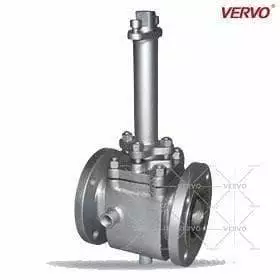
A jacketed plug valve is a specially designed quarter-turn valve equipped with an external heating or cooling jacket surrounding the valve body. This jacket structure provides effective temperature control for process fluids that require stable thermal conditions during transportation and operation.
Based on the design principles of conventional plug valves, jacketed plug valves combine the advantages of quick opening and closing, reliable sealing, and compact structure with the additional benefit of thermal management. By circulating heating or cooling media through the jacket chamber, the valve maintains the temperature of the internal flow passage and prevents process materials from becoming too cold, solidifying, crystallizing, or causing blockages.
Jacketed plug valves are widely used in industries where fluids have high viscosity or temperature sensitivity, including petroleum processing, petrochemical production, chemical manufacturing, asphalt transportation, pharmaceutical processing, food processing, and road construction applications.
Materials such as asphalt, bitumen, resin, wax, polymers, liquid sulfur, and other viscous substances often require continuous heating to remain fluid. Without proper temperature control, these materials may harden inside pipelines and valves, leading to reduced efficiency, increased maintenance requirements, and unexpected downtime.
A jacketed plug valve provides an effective solution by maintaining consistent temperatures throughout the valve body and flow channel, ensuring smooth and uninterrupted operation.
As a leading jacketed plug valve manufacturer from China, VERVO designs and manufactures high-performance jacketed plug valves engineered for reliable flow control, excellent sealing performance, and long service life in demanding industrial environments.
A jacketed plug valve operates using the same basic quarter-turn mechanism as a traditional plug valve. A cylindrical or tapered plug rotates inside the valve body to control fluid flow. When the plug rotates 90 degrees, the valve moves between fully open and fully closed positions.
The unique feature of this valve is the external jacket system that surrounds the valve body.
The jacket creates a separate chamber around critical valve areas, allowing heating or cooling media to circulate and regulate the temperature of the valve and process fluid.
The working process includes three main elements:
- External jacket design
- Heat transfer fluid circulation
- Temperature maintenance of the process medium
Together, these features help prevent material buildup, improve valve reliability, and maintain consistent production performance.
The external jacket is the most important feature that distinguishes jacketed plug valves from standard plug valves.
The jacket is a secondary chamber installed around the main valve body. It surrounds important internal areas, including:
- Valve body cavity
- Plug area
- Sleeve or sealing surfaces
- Flow passage sections
The jacket is typically welded securely to the valve body to ensure efficient heat transfer and reliable operation.
When heating media flows through the jacket, heat transfers through the valve body wall and maintains the temperature of the internal process material.
This prevents problems such as:
- Material solidification
- Crystallization
- Increased viscosity
- Pipeline blockage
- Difficult valve operation
Different jacket designs are available depending on application requirements.
Some jacketed plug valves use a partial jacket that covers only the main body area.
Advantages include:
- Lower manufacturing cost
- Suitable for moderate temperature control requirements
- Effective heating of critical areas
Other designs provide complete jacket coverage, including:
- Valve body
- Plug chamber
- Flange areas
Full jacket designs provide more uniform temperature control and are often used for highly viscous materials or applications requiring strict thermal stability.
Selecting the correct heat transfer fluid is essential for achieving efficient temperature control and maintaining safe valve operation.
Different applications require different thermal fluids depending on:
- Required temperature range
- Chemical compatibility
- Heat transfer efficiency
- Operating conditions
Common heat transfer fluids include:
Mineral oils are widely used as economical heat transfer fluids.
Advantages include:
- Cost effectiveness
- Good heat transfer performance
- Easy availability
- Reliable operation in moderate temperature applications
They are suitable for systems where extreme temperatures are not required and where cost efficiency is important.
Shell heat transfer oils are designed for high-temperature applications.
Key characteristics include:
- Excellent thermal stability
- Good flow performance
- Reduced vapor formation
- Long service life
These oils can operate at elevated temperatures and maintain consistent heat transfer performance in demanding industrial systems.
They are commonly used in chemical processing and petroleum applications requiring reliable thermal control.
Mobiltherm fluids are premium heat transfer oils designed for applications requiring excellent thermal performance.
Advantages include:
- High oxidation resistance
- Reduced thermal degradation
- Reliable operation at elevated temperatures
- Suitable performance for both heating and cooling systems
They are commonly used in industrial equipment requiring stable long-term operation.
Chevron heat transfer oils are mineral-based thermal fluids designed for industrial heating applications.
Benefits include:
- Good resistance to oxidation
- Protection against corrosion
- Compatibility with sealing materials
- Reliable high-temperature performance
These fluids are suitable for applications operating at temperatures up to approximately 600°F (315°C), depending on the specific product grade.
The primary advantage of jacketed plug valves is their ability to prevent temperature-sensitive materials from solidifying inside the valve.
They are especially effective for handling:
- Asphalt
- Bitumen
- Sulfur
- Resin
- Wax
- Heavy oils
- Polymer materials
Maintaining the correct temperature ensures continuous flow and reduces production interruptions.
Like conventional plug valves, jacketed plug valves provide fast and simple operation.
A 90-degree rotation allows quick switching between open and closed positions.
Benefits include:
- Rapid shutoff
- Simple automation
- Reduced operating time
- Improved process efficiency
Temperature fluctuations can affect valve sealing performance.
By maintaining stable operating temperatures, jacketed plug valves help prevent:
- Seal deformation
- Material buildup
- Leakage caused by thermal changes
This improves reliability and extends service life.
Material buildup inside valves can cause:
- Increased operating torque
- Valve sticking
- Production downtime
The heating jacket minimizes these problems by keeping process materials flowing smoothly.
This reduces:
- Cleaning frequency
- Maintenance costs
- Equipment downtime
Jacketed plug valves are designed for challenging environments involving:
- High viscosity fluids
- Temperature-sensitive materials
- Chemical media
- Continuous operation
Their robust construction makes them suitable for demanding industrial applications.
Jacketed plug valves are widely used in petroleum processing systems for handling:
- Heavy oils
- Asphalt
- Bitumen
- Hydrocarbon products
Temperature control helps maintain fluid mobility throughout transportation and processing.
Chemical production often involves materials that require precise temperature control.
Applications include:
- Resin transfer systems
- Polymer processing
- Chemical storage systems
- Solvent handling
Asphalt and bitumen must remain heated during transportation and application.
Jacketed plug valves help maintain the required temperature in:
- Asphalt plants
- Storage tanks
- Transportation pipelines
Certain pharmaceutical materials require stable temperatures to maintain product quality.
Jacketed plug valves provide controlled flow management for temperature-sensitive substances.
When selecting a jacketed plug valve, several factors should be considered:
Evaluate:
- Viscosity
- Chemical properties
- Solidification temperature
- Corrosiveness
Choose suitable jacket materials and heat transfer fluids based on required temperature ranges.
Ensure the valve pressure class meets system requirements.
Select materials compatible with the process fluid and operating environment.
Common options include:
- Carbon steel
- Stainless steel
- Alloy materials
Choose between partial or full jacket designs depending on thermal requirements.
Jacketed plug valves provide an effective solution for industrial applications involving viscous, temperature-sensitive, or easily solidified materials. By combining the reliable quarter-turn operation of plug valves with advanced heating and cooling jacket technology, these valves maintain stable temperatures, prevent blockages, and ensure smooth process operation.
With advantages including excellent temperature control, reliable sealing, reduced maintenance, and long service life, jacketed plug valves are widely used in petroleum, chemical, pharmaceutical, asphalt, and industrial processing systems.
As an experienced jacketed plug valve manufacturer from China, VERVO delivers high-quality valve solutions designed to meet challenging process requirements. Through advanced engineering, durable materials, and precise manufacturing, VERVO jacketed plug valves provide dependable performance for industries where temperature control and flow reliability are essential.