Axial Flow Check Valve
VERVO provides high-quality axial flow check valves engineered for silent operation, dependable backflow prevention, and efficient fluid control. Automatically operated by the flowing medium, these valves open and close without external power, ensuring smooth one-way flow of liquids and gases. Also known as silent check valves, non-return valves, and backflow prevention valves, VERVO axial flow check valves offer fast response, minimal pressure loss, and superior sealing performance. As a leading axial flow check valve manufacturer in China, VERVO supplies reliable solutions widely used in oil and gas, power generation, water treatment, chemical processing, and industrial pipeline systems worldwide.
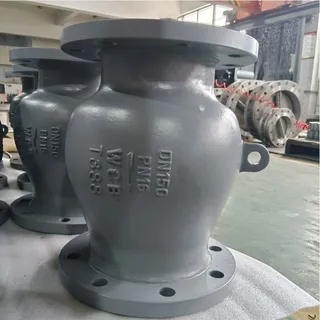
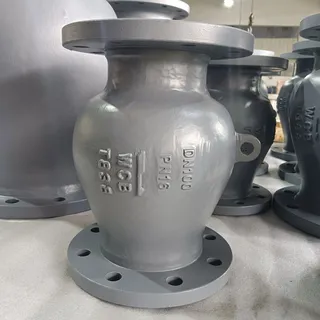
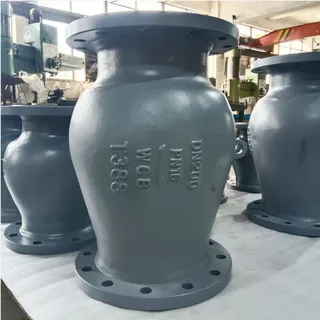
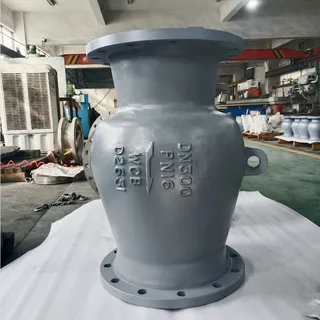
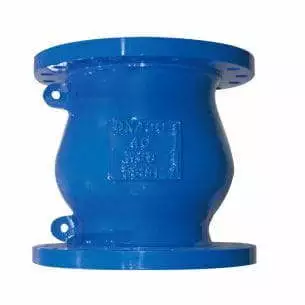
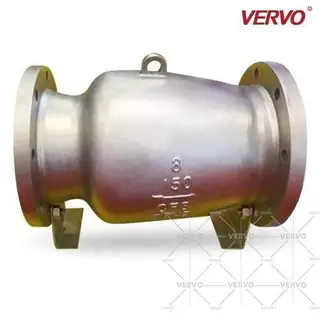
An axial flow check valve is a high-performance non-return valve designed to prevent reverse flow in piping systems while ensuring smooth and efficient fluid movement. Unlike conventional check valves that may experience slow closing or valve slamming, axial flow check valves are engineered for rapid response, low pressure loss, and reliable backflow prevention.
When fluid flow suddenly reverses, traditional check valves can create a phenomenon known as water hammer, where a sudden pressure surge causes vibration, noise, and potential damage to pipelines, pumps, and other system components. An axial flow check valve eliminates this issue through a fast-closing, spring-assisted design that allows the valve disc to respond immediately to changes in flow conditions.
The unique structure of an axial flow check valve allows the medium to move parallel to the valve axis, creating a streamlined flow path with minimal turbulence. This design reduces pressure drop, improves flow efficiency, and provides stable operation in demanding industrial applications.
Axial flow check valves are widely used in industries requiring reliable flow control and protection against reverse pressure, including oil and gas, chemical processing, power generation, water treatment, petrochemical, and industrial pipeline systems.
The operating principle of an axial flow check valve is based on the movement of a spring-loaded disc assembly along the center axis of the valve body.
During normal operation, when the fluid or gas flows in the forward direction, the pressure of the medium pushes the disc away from the valve seat. The disc moves smoothly along the axial direction, allowing the fluid to pass through the streamlined internal flow channel.
The spring mechanism inside the valve provides controlled movement and vibration resistance. As the disc opens, the spring absorbs impact forces and prevents sudden contact between the disc and valve body. This cushioning effect reduces mechanical stress and extends the service life of the valve.
When the flow rate decreases or the medium begins to move in the reverse direction, the spring-assisted disc quickly returns to the closed position. The disc immediately contacts the valve seat, creating a tight seal that prevents backflow and protects upstream equipment.
This rapid closing action is the key feature that makes axial flow check valves classified as non-slam check valves. Because the disc closes before significant reverse velocity develops, pressure spikes and water hammer effects are minimized.
The main characteristic of an axial flow check valve is the direction of fluid movement. In this design, the medium flows parallel to the valve axis rather than changing direction sharply inside the valve body.
This axial flow structure provides several technical advantages:
The internal passage is designed to reduce turbulence and resistance. Compared with traditional swing check valves, axial flow check valves provide smoother flow conditions and lower pressure losses.
The lightweight disc and spring assembly provide fast dynamic response to changing flow conditions. The spring helps maintain stable operation and ensures rapid valve closing during reverse flow situations.
A lightweight disc requires less energy to move, allowing the valve to react quickly when flow conditions change. This minimizes the possibility of valve impact, vibration, and system instability.
When reverse flow occurs, the disc rapidly returns to the seat and creates a secure sealing connection. This prevents leakage and protects pumps, compressors, and other sensitive equipment.
Axial flow check valves are specifically designed for systems where fast response and reliable backflow protection are essential. They are commonly installed in applications where sudden flow reversal could cause serious operational problems.
Because of their non-slam characteristics, axial flow check valves are ideal for high-performance piping systems involving pumps, compressors, and rotating equipment.
Typical applications include:
Axial flow check valves are frequently installed at pump outlets to prevent reverse rotation and protect pumps from damage caused by sudden pressure changes.
When a pump stops unexpectedly, the valve closes rapidly to prevent fluid from flowing backward through the pump system.
In oil and gas transportation systems, reliable flow control is critical. Axial flow check valves help maintain one-directional flow while reducing pressure surges that could affect pipeline safety.
Chemical processing facilities require valves capable of handling continuous operation and aggressive operating conditions. Axial flow check valves provide dependable backflow protection with minimal maintenance requirements.
Power plants use axial flow check valves in steam, cooling water, and process systems where sudden pressure changes can affect equipment performance.
Water infrastructure relies on check valves to prevent contamination and maintain stable flow conditions. Axial flow designs provide efficient operation with reduced water hammer risk.
Axial flow check valves offer many benefits compared with traditional check valve designs.
One of the most important advantages of axial flow check valves is their fast closing capability.
The spring-loaded disc responds immediately when forward flow decreases, preventing reverse velocity from developing. This significantly reduces pressure surges, vibration, and potential damage to pipeline equipment.
Axial flow check valves are specifically designed for smooth opening and closing without mechanical impact.
The spring-assisted disc movement prevents the valve from suddenly hitting the seat, resulting in quieter operation and improved system reliability.
The streamlined axial design allows fluid to pass through the valve with minimal resistance.
Compared with conventional valve designs that create additional turbulence, axial flow check valves maintain efficient flow performance and reduce energy consumption.
Due to the lightweight disc and balanced spring design, axial flow check valves can open effectively even under low flow conditions.
This makes them suitable for systems with variable flow rates and changing operating conditions.
The simple internal structure contains fewer moving components compared with many traditional check valve designs.
Reduced mechanical stress, balanced operation, and minimized vibration contribute to longer valve service life and lower maintenance requirements.
The precision-engineered disc and valve seat provide excellent sealing performance.
When reverse flow occurs, the valve closes quickly to create a reliable shut-off, helping prevent leakage and protecting downstream equipment.
Axial flow check valves can typically be installed in both horizontal and vertical pipeline configurations, providing greater flexibility during system design and installation.
Depending on application requirements, axial flow check valves are available with various connection designs, including:
- Flanged ends
- Wafer-style connections
- Butt-weld ends
- Customized connection options
This flexibility allows the valve to integrate easily into different industrial piping systems.
As industrial systems become more complex and demand higher reliability, traditional check valve designs may not always provide sufficient protection against pressure surges and flow instability.
Axial flow check valves provide an advanced solution by combining fast response, efficient flow performance, and dependable sealing. Their non-slam operation makes them particularly valuable in systems where equipment protection and operational safety are priorities.
With advantages including low pressure loss, rapid closing, reduced vibration, and long service life, axial flow check valves have become an essential component in modern fluid handling systems.
For industries requiring reliable one-way flow control, axial flow check valves provide an efficient and durable solution that improves pipeline safety, reduces maintenance costs, and enhances overall system performance.