Soft Seated Ball Valve
Soft seated ball valves are designed for clean, non-abrasive fluids operating under standard temperature and pressure conditions. They provide exceptional bubble-tight shutoff, making them ideal for applications requiring reliable sealing and excellent chemical resistance. The valve seats are commonly manufactured from high-performance thermoplastic materials such as PTFE, ensuring low operating torque, reduced friction, and long-lasting performance. However, these valves are not recommended for handling abrasive particles or heavily contaminated media, as such conditions can damage the soft seats and compromise sealing performance. As a leading soft seated ball valve manufacturer in China, VERVO delivers premium-quality valves engineered for dependable operation across a wide range of industrial applications.
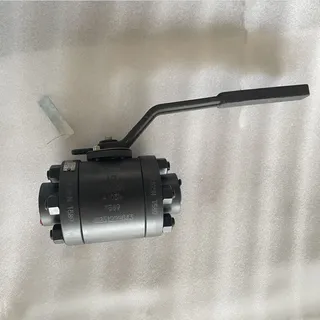
Soft Seated Ball Valve, 1/2 IN, 800 PSI, ASTM A105N, SW
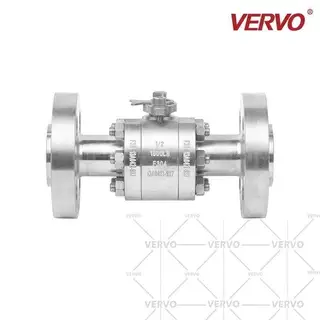

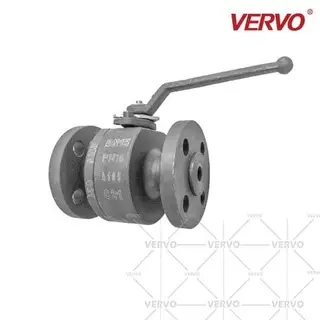
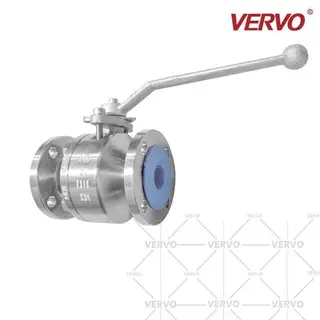
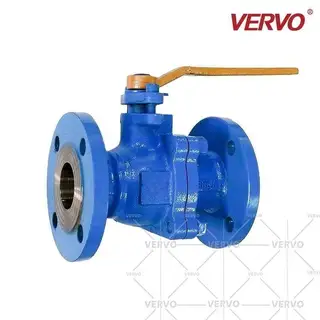
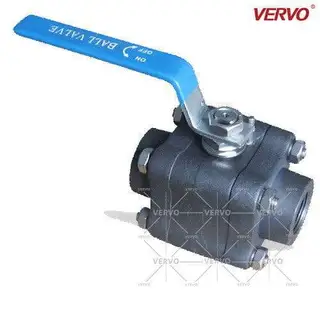
A soft seated ball valve is a quarter-turn shut-off valve designed to provide reliable, bubble-tight sealing in a wide range of fluid control systems. Unlike metal seated ball valves, which rely on metal-to-metal contact for sealing, soft seated ball valves use resilient sealing materials such as PTFE (Polytetrafluoroethylene), RPTFE, PEEK, UHMWPE, or other engineered polymers. These materials create a tight seal around the ball, ensuring excellent leakage prevention while requiring minimal operating torque.
Soft seated ball valves are widely used in industries where clean, non-abrasive liquids or gases must be controlled with high sealing performance. They are particularly suitable for applications involving water, chemicals, petroleum products, compressed air, natural gas, food-grade media, and pharmaceutical fluids. Their combination of excellent chemical resistance, easy operation, and cost-effective design makes them one of the most popular valve types for industrial piping systems.
The primary advantage of a soft seated ball valve is its outstanding sealing capability. The resilient seat material closely conforms to the polished surface of the ball, eliminating small gaps that could cause leakage. This design provides reliable shut-off even after repeated opening and closing cycles, making the valve ideal for systems where zero leakage is critical.
Soft seat materials such as PTFE are highly resistant to acids, alkalis, solvents, and many aggressive chemicals. This allows soft seated ball valves to perform reliably in corrosive service environments without suffering rapid deterioration. The broad chemical compatibility of engineered polymer seats makes these valves suitable for numerous industrial processes.
The low friction between the soft seat and the ball significantly reduces the force required to operate the valve. Whether actuated manually with a lever handle or automatically using pneumatic or electric actuators, soft seated ball valves offer smooth and efficient operation with minimal wear on operating components.
Soft seated ball valves require only a 90-degree rotation to move between the fully open and fully closed positions. This quick operation enables rapid flow isolation during routine maintenance, emergency shutdowns, or automated process control, improving overall system efficiency.
The resilient sealing material naturally absorbs mechanical vibration and pressure fluctuations that occur during system operation. This cushioning effect helps protect the valve, connected piping, and other equipment from excessive stress, contributing to longer service life and reduced maintenance requirements.
Soft seated ball valves feature a compact design that simplifies installation in new or existing piping systems. The flexible sealing materials accommodate minor surface irregularities, reducing installation complexity. Many designs also feature replaceable seats and seals, allowing economical maintenance without replacing the complete valve.
Compared with metal seated ball valves, soft seated valves generally have lower manufacturing costs due to the use of engineered polymer sealing components. For applications operating within their recommended pressure and temperature limits, they provide exceptional performance while minimizing both initial investment and maintenance expenses.
Soft seated ball valves offer numerous operational benefits that make them suitable for a wide variety of industrial services:
- Bubble-tight shut-off with excellent sealing performance
- Outstanding resistance to corrosion and chemical attack
- Smooth, low-torque operation
- Compact and lightweight construction
- Fast quarter-turn opening and closing
- Reduced vibration transmission
- Low maintenance requirements
- Long service life under normal operating conditions
- Economical installation and ownership costs
- Compatible with manual, pneumatic, electric, and hydraulic actuators
These advantages make soft seated ball valves a preferred choice for applications where clean fluids, reliable isolation, and economical operation are required.
Because of their excellent sealing characteristics and chemical resistance, soft seated ball valves are widely used across many industries.
Soft seated ball valves are extensively installed in municipal water distribution systems, wastewater treatment plants, desalination facilities, and industrial water processing systems. Their corrosion resistance and dependable sealing help maintain efficient and leak-free operation.
Chemical plants frequently utilize soft seated ball valves for handling acids, alkalis, solvents, and various process chemicals. PTFE and other high-performance seat materials provide excellent compatibility with aggressive media while ensuring reliable shut-off.
In low- to medium-pressure oil and gas applications, soft seated ball valves are commonly used for fuel oils, lubricants, natural gas, and refined petroleum products. Their dependable sealing minimizes product loss and enhances operational safety.
Cleanliness is essential in pharmaceutical production. Soft seated ball valves provide smooth internal flow paths and tight shut-off, helping prevent contamination while supporting hygienic process requirements.
Food-grade soft seated ball valves are widely used in beverage production, dairy processing, brewing, edible oil handling, and other sanitary applications. Approved seat materials help ensure product purity while providing reliable sealing performance.
Heating, ventilation, and air conditioning systems utilize soft seated ball valves for controlling chilled water, hot water, glycol solutions, and compressed air. Their low operating torque and compact size simplify installation and maintenance.
Soft seated ball valves are also suitable for compressed air systems, utility pipelines, manufacturing facilities, power plants, pulp and paper mills, marine applications, and many other industrial processes involving clean, non-abrasive fluids.
Although soft seated ball valves offer numerous advantages, selecting the proper valve requires understanding their operating limitations. Soft seat materials perform best with clean liquids and gases that contain minimal abrasive particles. Media containing sand, slurry, or other solids can gradually wear the seating surfaces, reducing sealing performance over time.
Similarly, extremely high temperatures may exceed the limits of polymer seat materials, causing deformation or accelerated wear. For severe service involving abrasive media, high temperatures, or high-pressure differential, metal seated ball valves are generally the preferred solution.
Proper material selection is essential for maximizing valve performance and service life. Choosing the correct seat material based on temperature, pressure, chemical compatibility, and process conditions ensures dependable long-term operation.
Soft seated ball valves combine dependable sealing, excellent chemical resistance, simple operation, and economical ownership into one versatile valve design. Their ability to provide leak-tight shut-off with minimal maintenance has made them an industry standard for countless fluid handling applications. Whether used in water treatment, chemical processing, food production, pharmaceutical manufacturing, or general industrial systems, soft seated ball valves deliver efficient, reliable, and long-lasting flow control for modern pipeline operations.