Sleeved Plug Valve
We supply high-quality sleeved plug valves engineered for reliable flow control in demanding industrial environments. Featuring a non-lubricated sleeve installed between the valve body and plug, these valves provide smooth operation, reduced friction, and extended service life compared with conventional lubricated plug valves. As a leading sleeved plug valve manufacturer in China, VERVO designs its valves with a simple quarter-turn operating mechanism to ensure quick and efficient shutoff, while manual handwheels or actuators are available to meet different application requirements. With excellent durability, superior sealing performance, and low maintenance requirements, VERVO sleeved plug valves are widely used in oil, natural gas, chemical, and industrial pipeline systems.
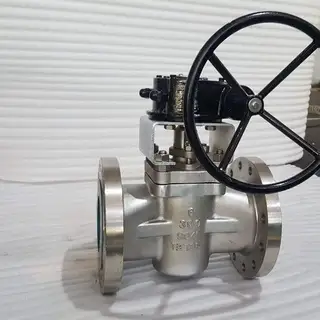
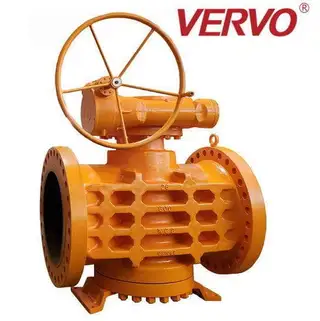
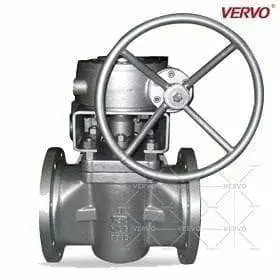
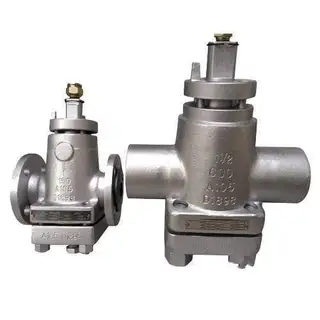
A sleeved plug valve is a rotary motion valve that uses a cylindrical or tapered plug with a through-port to control fluid flow. The plug rotates 90 degrees inside the valve body to either align the port with the pipeline for flow or rotate perpendicular to the flow path to achieve complete shutoff.
The defining feature of a sleeved plug valve is the presence of a resilient sleeve positioned between the plug and the valve body. This sleeve serves several important functions:
- Provides primary sealing between the plug and body
- Reduces operating friction and torque
- Protects metal surfaces from corrosion
- Prevents direct metal-to-metal contact
- Minimizes wear during operation
- Eliminates the need for lubrication
Because the sleeve isolates the process media from most internal metallic components, sleeved plug valves exhibit excellent chemical resistance and maintain reliable sealing performance even after extended operating cycles.
Their quick quarter-turn action allows operators to open or close the valve rapidly during normal operation or emergency shutdown situations, making them particularly valuable in critical process systems.
A sleeved plug valve consists of several precision-engineered components that work together to provide dependable flow control and sealing performance.
The valve body serves as the primary pressure-retaining component and houses all internal parts.
Depending on the application requirements, valve bodies are commonly manufactured from materials such as:
- Carbon Steel ASTM A216 WCB
- Stainless Steel ASTM A351 CF8
- Stainless Steel ASTM A351 CF8M
- Low Temperature Carbon Steel ASTM A352 LCB
- Duplex Stainless Steel ASTM A995 4A
- Super Duplex Stainless Steel ASTM A995 5A
- Alloy Steel materials
The body material is selected according to the process fluid, temperature, pressure, and corrosion conditions.
The plug is the central flow-controlling component of the valve.
It contains a bore or port that allows fluid to pass through when aligned with the pipeline. Rotating the plug by 90 degrees blocks the flow path and isolates the downstream system.
Plug designs may include:
- Cylindrical plugs
- Tapered plugs
- Reduced port designs
- Full port configurations
The plug surface is carefully machined to ensure smooth operation and effective sealing with the sleeve.
The sleeve is the most important functional component of the valve.
Installed between the plug and valve body, it provides:
- Bubble-tight sealing
- Corrosion protection
- Low-friction operation
- Wear resistance
- Self-lubricating performance
Common sleeve materials include:
- PTFE
- Reinforced PTFE
- PFA
- Modified PTFE
- UHMWPE
PTFE sleeves are particularly popular because of their:
- Excellent chemical resistance
- Low coefficient of friction
- Wide temperature range
- Anti-stick properties
The sleeve design allows the valve to operate smoothly without external lubrication throughout its service life.
The stem connects the internal plug to the external operating mechanism.
- Its primary functions include:
- Transmitting torque
- Supporting plug rotation
- Maintaining alignment
- Ensuring reliable operation
Stem materials are typically selected for high strength and corrosion resistance.
The seat forms the sealing interface that prevents leakage when the valve is in the closed position.
The sleeve itself often functions as the primary seat, creating continuous contact pressure around the plug to achieve zero leakage performance.
The bonnet secures the internal components and provides access for maintenance and assembly.
It also houses the packing arrangement that seals the stem area against media leakage.
Packing and gaskets provide secondary sealing at connection points.
Their functions include:
- Preventing stem leakage
- Sealing body joints
- Maintaining pressure integrity
- Supporting safe operation
Common sealing materials include:
- PTFE
- Flexible graphite
- Expanded graphite
- Spiral wound gaskets
The operating principle of a sleeved plug valve is simple and highly reliable.
The valve operates using a quarter-turn rotary motion mechanism.
When the valve handle or actuator rotates the stem 90 degrees to the open position, the bore inside the plug aligns with the pipeline.
This creates a straight-through flow passage that allows fluid to move with minimal pressure loss.
Because the flow path is relatively unrestricted, sleeved plug valves often exhibit excellent flow characteristics and low pressure drop.
Rotating the stem another quarter turn moves the plug so that the solid portion blocks the flow passage.
The sleeve maintains continuous sealing contact around the plug surface, preventing leakage and ensuring positive shutoff.
The resilient nature of the sleeve compensates for wear and thermal expansion, maintaining sealing effectiveness throughout the valve's operating life.
Although sleeved plug valves are primarily designed for on-off service, they can provide limited throttling capability.
By positioning the plug partially open, operators can regulate flow rates to some extent.
However, prolonged throttling service is generally not recommended because high flow velocities can accelerate sleeve wear and reduce service life.
For continuous flow regulation applications, globe control valves or V-port ball valves are often more suitable.
Sleeved plug valves are available with multiple actuation options to meet different process requirements.
Manual operation is typically achieved using:
- Lever handles
- Handwheels
- Gear operators
Manual valves are economical and suitable for applications with infrequent operation.
Large diameter valves often utilize worm gear operators to reduce operating torque and improve control.
Pneumatic actuators provide:
- Fast response times
- Reliable automation
- Safe operation in hazardous environments
These actuators are commonly used in emergency shutdown systems.
Electric actuators enable:
- Remote operation
- Process automation
- Position feedback
- Integration with control systems
Electric actuated sleeved plug valves are widely used in water treatment and industrial automation applications.
Hydraulic actuators deliver high torque output for large valves operating under severe pressure conditions.
The sleeve creates a continuous sealing barrier that provides bubble-tight shutoff even in challenging service conditions.
The low-friction sleeve significantly reduces torque requirements compared to metal seated valve designs.
The non-metallic sleeve protects internal metallic surfaces from aggressive chemicals and corrosive media.
Unlike lubricated plug valves, sleeved plug valves require no periodic grease injection.
Reduced wear and elimination of metal-to-metal contact contribute to extended operating life.
The 90-degree operating mechanism enables rapid opening and closing during emergency situations.
Many sleeved plug valves are available with fire-safe designs that comply with international fire testing standards.
Most sleeved plug valves provide reliable sealing regardless of flow direction.
Sleeved plug valves are ideal for handling:
- Acids
- Alkalis
- Solvents
- Corrosive chemicals
Applications include:
- Hydrocarbon processing
- Refining operations
- Chemical transfer systems
- Oil and Gas Industry
These valves are widely used for:
- Pipeline isolation
- Process control
- Tank farms
- Offshore facilities
- Water Treatment
Sleeved plug valves perform well in:
- Raw water systems
- Chemical dosing lines
- Wastewater treatment plants
Mining operations benefit from their resistance to abrasive slurries and aggressive chemicals.
Their ability to handle fibrous media makes them suitable for pulp processing systems.
The reliable shutoff performance and low maintenance requirements support critical nuclear service applications.
Choosing the appropriate sleeved plug valve requires careful evaluation of operating conditions.
Key factors include:
- Pressure rating
- Temperature range
- Media characteristics
- Corrosion potential
- Abrasive content
- Valve size
- End connections
- Automation requirements
- Applicable industry standards
Proper material selection is particularly important when handling aggressive chemicals or elevated temperatures.
Working closely with an experienced manufacturer ensures optimal valve performance and long-term reliability.
Sleeved plug valves represent one of the most reliable and versatile solutions for quarter-turn flow control in demanding industrial environments. Their unique sleeve design provides exceptional sealing performance, low operating torque, superior corrosion resistance, and long service life without the need for lubrication or frequent maintenance.
From chemical processing plants and oil refineries to mining operations, water treatment facilities, and nuclear power stations, sleeved plug valves continue to provide dependable isolation and flow control under some of the world's harshest operating conditions.
By carefully selecting the appropriate materials, pressure class, sleeve configuration, and actuation method, operators can achieve safe, efficient, and maintenance-friendly operation for many years of service. As industrial systems continue to demand greater reliability and lower lifecycle costs, sleeved plug valves remain a proven and trusted choice for modern flow control applications.