Pressure Seal Gate Valve
A pressure seal gate valve is a high-performance industrial valve engineered for high-pressure and high-temperature service conditions. Its distinctive pressure seal bonnet design uses system pressure to enhance gasket sealing, ensuring tighter closure as internal pressure increases. This makes it highly reliable for critical applications in power plants, petrochemical facilities, oil and gas pipelines, and other demanding industries where leak-tight performance is essential. The valve delivers excellent durability, safety, and operational efficiency under extreme working environments. As a leading manufacturer of pressure seal gate valves in China, VERVO supplies precision-engineered valves designed to meet stringent international standards and ensure long-term, stable performance in industrial systems.
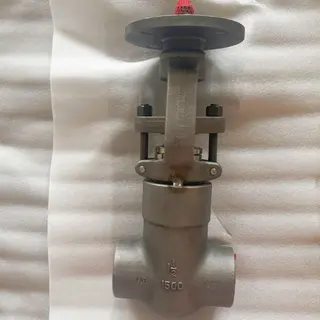
ASME B16.34 Gate Valve, A182 F91, 1-1/2 IN, 1500 LB, SW, PSB
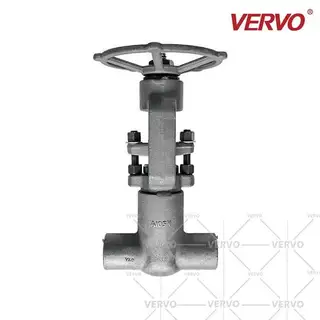
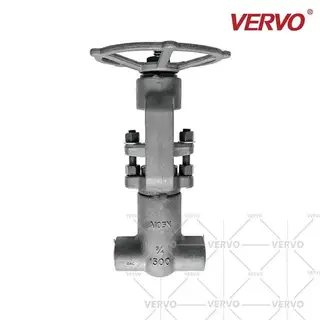
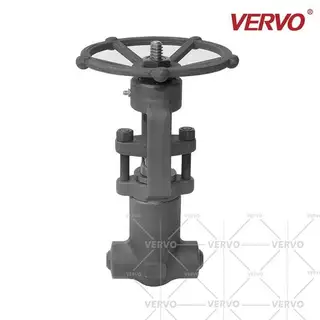
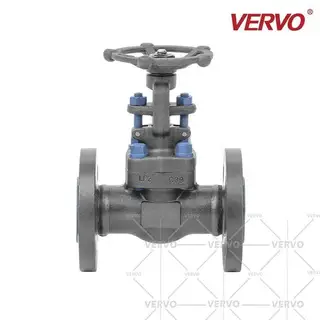
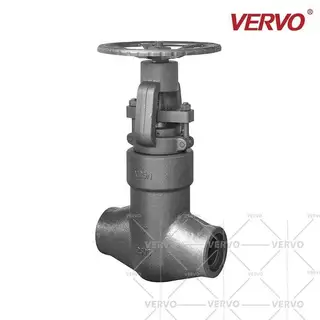
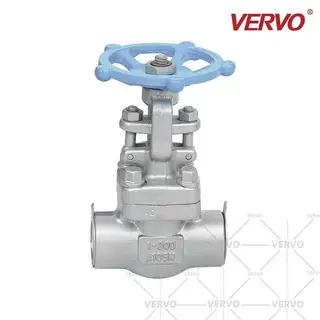
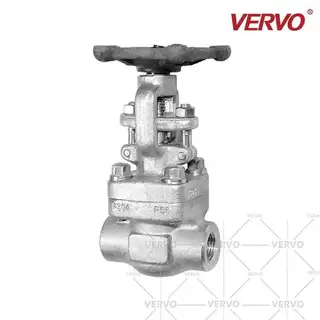
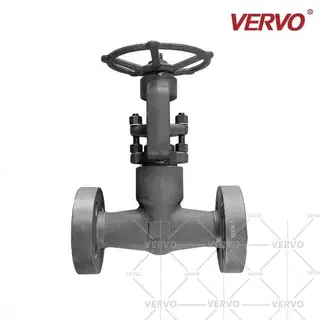
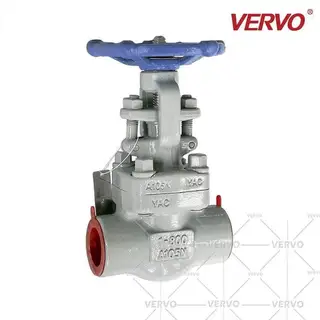
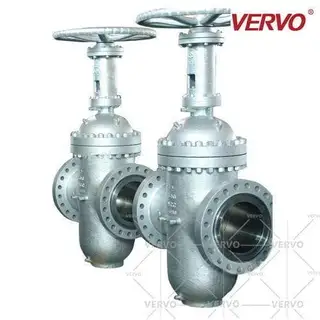
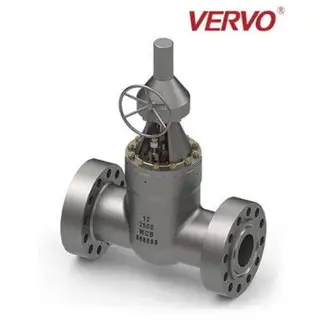
A pressure seal gate valve is a heavy-duty isolation valve engineered specifically for severe service conditions involving extremely high pressure and high temperature. It is widely used in critical industries such as power generation, oil and gas transmission, petrochemical refining, and high-pressure steam systems. Typically designed for Class 900, Class 1500, and even higher pressure ratings, this valve is built to deliver reliable shut-off performance where conventional valves may fail.
Unlike standard bolted bonnet gate valves, the pressure seal gate valve adopts a unique pressure seal bonnet structure, which significantly improves sealing integrity under demanding operating conditions. This advanced design uses system internal pressure to reinforce the sealing force, ensuring that the valve becomes tighter and more secure as pressure increases.
A pressure seal gate valve is a type of linear motion valve designed to fully open or fully close fluid flow in high-pressure pipelines. It is not intended for throttling but for complete isolation of the medium.
The most distinctive feature of this valve is its pressure seal bonnet design, which replaces traditional bolted bonnet construction. Instead of relying solely on gasket compression from external bolts, the sealing force is generated and enhanced by internal line pressure.
This structure ensures:
- Superior sealing performance under high pressure
- Reduced risk of external leakage
- Enhanced safety in extreme temperature conditions
- Lower maintenance requirements compared to conventional bonnet designs
Because of these advantages, pressure seal gate valves are widely selected for critical applications where safety, reliability, and zero-leakage performance are essential.
The pressure seal bonnet is the core innovation of this valve type. In traditional bolted bonnet valves, sealing depends on the torque applied to studs and nuts. However, thermal expansion and pressure fluctuations may reduce gasket compression over time.
In contrast, the pressure seal design uses internal system pressure to improve sealing strength. As pressure increases inside the valve body, the bonnet sealing mechanism becomes tighter instead of weaker.
Key advantages include:
- Self-reinforcing sealing mechanism under pressure
- Compact and robust bonnet structure
- Reduced flange stress compared to bolted bonnet valves
- Improved performance in thermal cycling environments
- Enhanced service life in high-pressure pipelines
This makes the pressure seal gate valve a preferred solution in demanding industrial systems where operational stability is critical.
The working principle of a pressure seal gate valve is based on a self-energizing sealing system.
When the valve is installed in a pipeline and subjected to internal pressure, the pressure acts on the internal sealing components, pushing the pressure seal ring upward against the bonnet. This action increases the sealing force between the bonnet and the valve body.
In simple terms:
Higher internal pressure = stronger sealing performance
This is fundamentally different from traditional bolted bonnet valves, where increased pressure or thermal cycling may lead to gasket relaxation and potential leakage.
The operating sequence can be described as follows:
- The valve is closed using the handwheel, gear, or actuator.
- The gate moves vertically to block flow passage completely.
- Internal pressure builds up within the valve body.
- Pressure acts on the seal ring and forces it tightly against the bonnet.
- The sealing integrity increases automatically as pressure rises.
This intelligent self-sealing mechanism ensures reliable operation even under extreme service conditions.
Pressure seal gate valves are specifically designed for severe industrial environments where both pressure and temperature exceed standard valve capabilities. They are commonly used in:
- Thermal power plants (steam and boiler systems)
- Nuclear power stations
- Oil and gas pipelines
- Petrochemical processing plants
- Refinery high-pressure units
- High-temperature steam distribution systems
In these industries, any leakage or valve failure can result in significant safety risks and operational downtime. Therefore, pressure seal gate valves are chosen for their proven reliability and long service life under harsh working conditions.
Pressure seal gate valves offer multiple technical and operational advantages:
- Excellent sealing performance under Class 900+ pressure ratings
- Self-tightening pressure seal bonnet design
- Minimal risk of external leakage
- High resistance to thermal expansion and cycling
- Robust construction for long-term durability
- Suitable for high-temperature steam applications
- Reduced maintenance frequency and lifecycle cost
- Reliable shut-off performance in critical systems
These benefits make them an essential component in modern high-pressure industrial piping systems.
To meet diverse industrial requirements, pressure seal gate valves are manufactured using high-strength materials such as:
- Carbon steel (ASTM A216 WCB)
- Alloy steel (WC6, WC9)
- Stainless steel (CF8, CF8M)
- Special alloys for corrosive environments
Trim components can also be customized with hardened materials such as Stellite or tungsten carbide coatings to improve wear resistance and extend service life.
In high-pressure pipeline systems, safety and sealing reliability are critical. The pressure seal gate valve provides a proven engineering solution that combines mechanical strength with self-reinforcing sealing technology.
Its ability to maintain tight sealing performance under fluctuating pressure and temperature conditions makes it one of the most trusted valve designs in heavy industrial applications.
As a result, it is widely recognized as a premium choice for engineers seeking long-term operational stability and maximum safety assurance.
As a leading China manufacturer of industrial valves, VERVO specializes in designing and producing high-performance pressure seal gate valves that meet international standards such as API, ANSI, and ASME.
With advanced manufacturing capabilities, strict quality control, and extensive industry experience, VERVO delivers valves engineered for reliability, efficiency, and durability in the world’s most demanding applications.
A pressure seal gate valve is an advanced high-pressure isolation valve designed for extreme operating conditions where traditional valve designs may not perform reliably. Its unique pressure seal bonnet system ensures that sealing performance improves with increasing internal pressure, making it ideal for power generation, petrochemical, oil and gas, and refinery applications.
With superior sealing integrity, robust construction, and long service life, pressure seal gate valves represent a critical solution for modern high-pressure industrial systems.