Metal Seated Ball Valve
Metal seated ball valves are designed with durable hard metal seats, typically made from stainless steel, cobalt-based alloys, or other high-strength materials. This robust construction allows them to perform reliably under extreme operating conditions, including high temperatures, high pressure, and abrasive or corrosive media. Compared with soft seated valves, metal seated ball valves offer superior wear resistance, extended service life, and stable sealing performance in severe service applications. They are widely used in industries such as oil and gas, power generation, petrochemical, and mining. As a leading metal seated ball valve manufacturer in China, VERVO delivers high-performance valve solutions for demanding industrial systems.
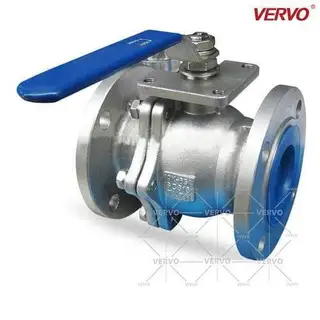
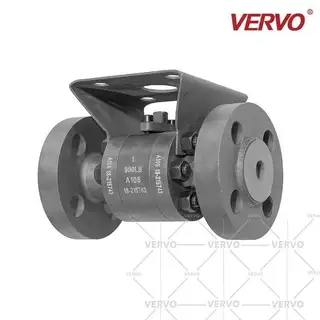
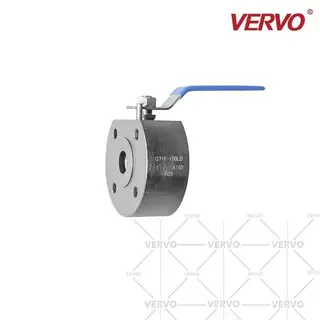
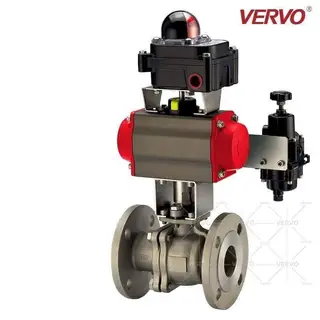
A metal seated ball valve is a high-performance industrial valve designed for severe service applications where conventional soft sealing materials cannot withstand extreme conditions. Unlike soft seated ball valves that rely on polymer-based sealing elements, a metal seated ball valve uses hardened metal-to-metal contact between the ball and seat surfaces to achieve shut-off.
All critical sealing components are manufactured from durable metallic materials such as stainless steel, hardfaced alloys, cobalt-based alloys, or tungsten carbide coatings. This robust construction enables the valve to operate reliably under high temperature, high pressure, corrosive environments, and abrasive flow media.
Because of its durability and resistance to wear, the metal seated ball valve is widely used in industries such as oil and gas, petrochemical processing, power generation, mining, and slurry transport systems.
The operation of a metal seated ball valve is based on a simple yet highly effective quarter-turn mechanism. The valve consists of a rotating ball with a precision-machined bore, supported by metal seats on both upstream and downstream sides.
When the valve is actuated, torque is transmitted through the stem via a manual lever, gearbox, pneumatic actuator, or electric actuator. A 90-degree rotation aligns or misaligns the ball bore with the pipeline flow direction, enabling either full flow or complete shut-off.
In the open position, the bore of the ball aligns with the pipeline, allowing fluid to pass through with minimal pressure drop. In the closed position, the ball rotates so that the solid surface fully contacts the metal seats, creating a tight sealing interface that blocks flow.
Unlike soft seated valves, the sealing mechanism does not rely on deformation of polymer materials. Instead, sealing is achieved through precision machining, surface hardening, and lapping techniques that ensure tight metal-to-metal contact even under harsh operating conditions.
Metal seated ball valves are engineered for strength, durability, and long service life. Their main structural features include:
- All-metal sealing surfaces for high-temperature and high-pressure resistance
- Hardfaced ball and seat surfaces (such as Stellite or tungsten carbide coatings) for wear resistance
- Precision-ground sealing geometry to ensure reliable shut-off
- Anti-static and fire-safe design compatibility for hazardous environments
- Robust body construction typically made from carbon steel, stainless steel, or alloy steel
- Reinforced stem design to handle high torque applications
This heavy-duty construction allows the valve to perform reliably in applications where soft seats would quickly degrade or fail.
One of the most important advantages of metal seated ball valves is their ability to operate at extremely high temperatures. Since no polymer or elastomer materials are used in the sealing structure, the valve can function in environments where temperatures exceed the limits of conventional soft seated designs.
In applications involving abrasive media such as slurry, fly ash, sand, or particulate-laden fluids, metal seated ball valves offer significantly improved durability. Hardfaced sealing surfaces resist erosion, reducing maintenance frequency and extending service life.
Metal seated ball valves are designed to withstand high-pressure conditions commonly found in oil pipelines, gas transmission systems, and industrial processing plants. The rigid metal sealing interface maintains structural integrity even under severe pressure fluctuations.
Because the sealing mechanism is entirely metallic, these valves maintain functionality even under fire exposure conditions. This makes them suitable for critical safety applications in petrochemical and offshore installations.
The combination of hardened materials, precision engineering, and wear-resistant coatings ensures long-term reliability, even in demanding environments. This reduces downtime and operational costs over the lifecycle of the system.
Metal seated ball valves combine the operating principles of multiple valve types, offering a versatile solution for industrial flow control:
- They provide tight shut-off performance similar to gate valves
- They offer quick operation like traditional ball valves
- They withstand abrasive and corrosive conditions similar to specialized control valves
- They maintain stable flow characteristics under varying pressure conditions
Although primarily used for on/off isolation, specially designed V-port or segmented metal seated ball valves can also be used for flow regulation in certain applications.
Metal seated ball valves are widely used in industries where operating conditions exceed the limits of soft-seated valve technology.
These valves are commonly installed in upstream, midstream, and downstream operations, including crude oil pipelines, natural gas transmission lines, refining processes, and storage systems. Their ability to withstand high pressure and temperature makes them essential for critical service pipelines.
In chemical plants handling aggressive or high-temperature fluids, metal seated ball valves ensure safe and reliable flow control. Their resistance to corrosion and thermal stress makes them suitable for demanding chemical environments.
Power plants use metal seated ball valves in steam systems, boiler feed lines, and high-temperature utility circuits. Their durability under thermal cycling conditions ensures stable long-term operation.
In mining operations, valves are exposed to highly abrasive slurries containing solid particles. Metal seated designs prevent rapid wear and maintain sealing performance in these harsh conditions.
Steel production facilities use these valves in high-temperature gas, dust collection, and cooling water systems, where reliability and resistance to extreme conditions are essential.
Proper selection of a metal seated ball valve requires careful evaluation of operating conditions. Factors such as temperature, pressure, flow media, and abrasion level must be considered to ensure optimal performance.
Surface hardening treatments such as HVOF spraying, chrome carbide coating, or tungsten carbide overlay are often applied to enhance wear resistance. Additionally, precision lapping between ball and seat surfaces is critical to achieving the required sealing performance.
Although metal seated ball valves may not achieve the same bubble-tight sealing level as soft seated designs under low-pressure conditions, they excel in environments where durability and reliability are more important than absolute zero leakage.
Metal seated ball valves represent a robust and highly engineered solution for industries operating under extreme conditions. Their all-metal sealing structure, exceptional resistance to heat, pressure, and abrasion, and long service life make them indispensable in modern industrial systems.
Whether used in oil and gas pipelines, chemical plants, mining operations, or power generation facilities, metal seated ball valves provide dependable performance where conventional valve technologies are no longer sufficient. Their durability, safety, and engineering strength ensure continuous and efficient operation in the most demanding environments.