Floating Ball Valve
A floating ball valve is a quarter-turn valve that uses a rotating ball and stem to control on/off flow. When the bore aligns with the pipeline, the valve is in the open position, allowing fluid to pass through with minimal resistance. When rotated 90 degrees, the flow is fully shut off, ensuring reliable sealing performance. Floating ball valves are widely used in high-pressure transmission systems and medium-pressure gas distribution networks due to their simple structure, tight sealing capability, and efficient operation. As a leading floating ball valve manufacturer in China, VERVO provides high-quality solutions designed for durability, safety, and stable industrial performance.
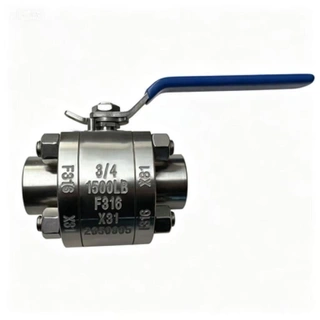
Forged Floating Ball Valve, API 608, F316, 3/4 IN, 1500 LB
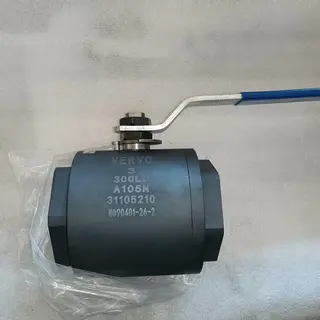
API 608 Floating Ball Valve, A105N, 3 Inch, CL300, Lever

API 608 Floating Ball Valves, A105, 3/4 Inch, CL800 LB, NPT

API 6D Floating Ball Valve, B271 C86300, 2 IN, 300 LB, NPT
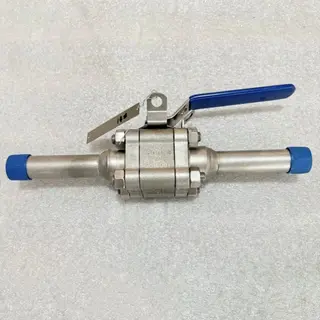
API 608 Floating Ball Valve, F316, 1/2 IN, CL800, SW+Nipples
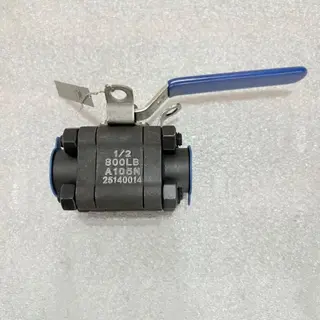
3 Piece Floating Ball Valve, API 608, A105N, 1/2 Inch, CL800
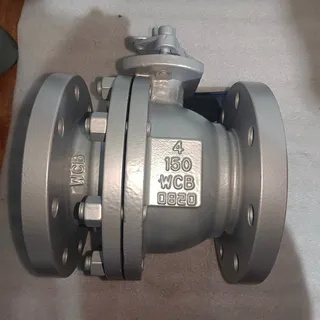
API 6D Floating Ball Valves, A216 WCB, 4 Inches, 150 LB, RF
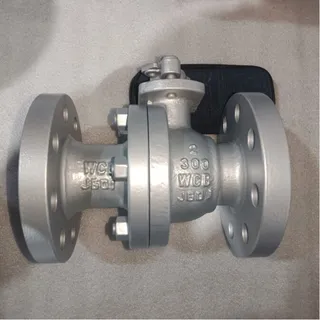
API 6D Floating Ball Valve, ASTM A216 WCB, 2 Inches, 300 LB
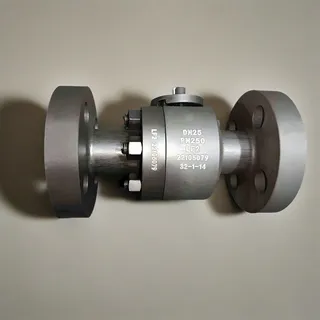
Forged Floating Ball Valve, API 608, A350 LF2, DN25, PN250
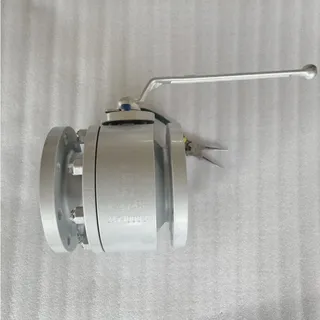
API 608 Floating Ball Valves, A350 LF2, 4 Inch, 150 LB, RF
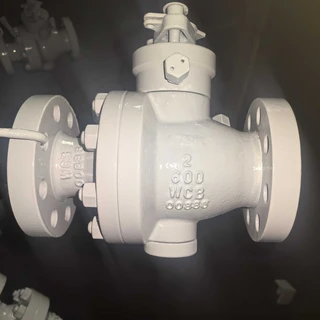
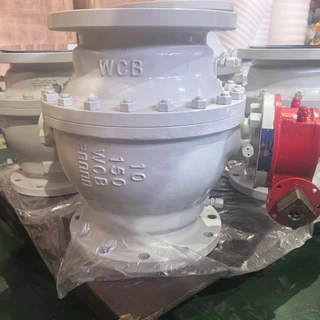
A floating ball valve is a type of valve that regulates fluid flow using a spherical ball with a central bore. The ball is positioned inside the valve body and is not fixed in place; instead, it “floats” slightly between two seats. When the valve handle or actuator is turned 90 degrees, the ball rotates so that the bore either aligns with the pipeline (allowing flow) or turns perpendicular to it (blocking flow).
This simple yet effective design makes floating ball valves ideal for on/off flow control applications, where fast operation and tight sealing are required. They are not typically used for precise throttling but are excellent for complete shutoff and open-flow conditions.
Floating ball valves are commonly used in water treatment systems, oil and gas pipelines, chemical processing plants, HVAC systems, and general industrial fluid transport applications. Their reliability and versatility make them a preferred solution across multiple industries.
The working principle of a floating ball valve is based on rotation and pressure-assisted sealing. When the valve is in the open position, the hole in the ball aligns with the pipeline, allowing fluid to pass through with minimal resistance. When the valve is turned to the closed position, the ball rotates 90 degrees, blocking the flow completely.
Unlike trunnion-mounted ball valves, the ball in a floating ball valve is not mechanically anchored. Instead, it is held in place by two elastic seats. Under line pressure, the ball is pushed downstream, creating a tight seal against the seat. This pressure-enhanced sealing mechanism improves shutoff performance, especially in low to medium-pressure systems.
The sealing performance of floating ball valves is one of their most important advantages. The valve uses soft seat materials that tightly compress against the ball to prevent leakage. When the valve is closed, internal line pressure forces the ball further into the downstream seat, enhancing the sealing effect.
This self-energizing sealing mechanism ensures a bubble-tight shutoff, making floating ball valves particularly suitable for applications where leakage prevention is critical. Industries handling hazardous, toxic, or corrosive media rely heavily on this sealing reliability to maintain operational safety and environmental protection.
High-quality sealing materials such as PTFE, reinforced PTFE, PEEK, Viton, or EPDM are commonly used to ensure chemical resistance, durability, and long service life.
A floating ball valve consists of several precision-engineered components that work together to ensure smooth operation and long-term reliability:
The valve body is the main structural component that houses all internal parts. It is typically manufactured from carbon steel, stainless steel, cast iron, or alloy steel, depending on the working pressure, temperature range, and fluid type. The body design ensures structural strength and resistance to external pressure and corrosion.
The ball is the core flow control element of the valve. It is usually made from stainless steel, brass, or bronze, chosen for their strength and corrosion resistance. In many applications, the ball is polished or coated to enhance smooth operation and improve sealing performance. Its precise machining ensures accurate alignment and minimal leakage.
Valve seats are critical for achieving a tight seal. They are typically made from PTFE (polytetrafluoroethylene), PEEK (polyether ether ketone), or reinforced elastomers such as EPDM and Viton. These materials provide excellent chemical resistance, temperature stability, and low friction, ensuring long-lasting sealing performance even under demanding conditions.
The stem connects the external actuator to the internal ball, transmitting rotational motion to control valve operation. It is manufactured from high-strength stainless steel or corrosion-resistant alloys to ensure durability and reliable torque transmission, even in harsh industrial environments.
Seals and packing materials prevent leakage around the stem and other moving components. They are commonly made from elastomeric materials like NBR, EPDM, Viton, or PTFE-based compounds, selected according to the type of fluid and operating temperature.
The actuator is responsible for operating the valve. It can be manual (lever or handle-operated) or automated (pneumatic, electric, or hydraulic systems). Manual actuators are widely used for simple applications, while automated systems are preferred in large-scale industrial operations requiring remote control or process automation.
Floating ball valves offer several key advantages that make them highly popular in industrial applications:
- Simple and compact structure for easy installation
- Excellent sealing performance with bubble-tight shutoff
- Quick operation with quarter-turn mechanism
- Low torque requirement for operation
- Suitable for a wide range of fluids including gas, oil, and water
- Cost-effective compared to more complex valve types
Floating ball valves are widely used across many industries, including:
- Oil and gas transmission systems
- Chemical and petrochemical processing
- Water supply and wastewater treatment
- Power generation systems
- Pharmaceutical and food processing industries
- HVAC and building automation systems
Their versatility and reliability make them suitable for both industrial and commercial applications.
A floating ball valve is a highly efficient and reliable flow control solution designed for on/off pipeline operations. Its simple floating ball design, pressure-assisted sealing mechanism, and durable construction make it ideal for low to medium-pressure applications across multiple industries. With excellent sealing performance, easy operation, and wide material compatibility, floating ball valves continue to be one of the most trusted valve types in modern fluid control systems.