Concentric Butterfly Valve
Discover the advantages of concentric butterfly valves, a cost-effective and reliable solution for flow regulation and isolation in industrial piping systems. Featuring a centered stem axis, disc, and body design, these valves offer simple construction, easy manufacturing, and dependable performance across a wide range of applications. Available with manual hand lever operation or equipped with pneumatic and electric actuators, concentric butterfly valves provide flexible automation options for various industries. As a leading concentric butterfly valve manufacturer in China, VERVO delivers high-quality valve solutions engineered for durability, efficiency, and long-term performance in demanding operating environments.
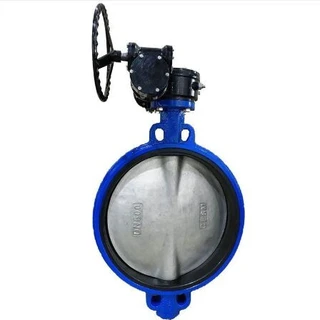
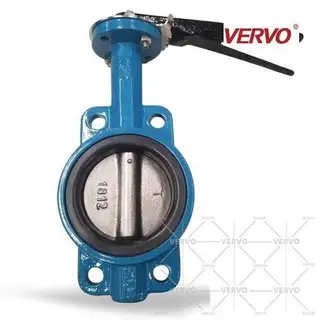
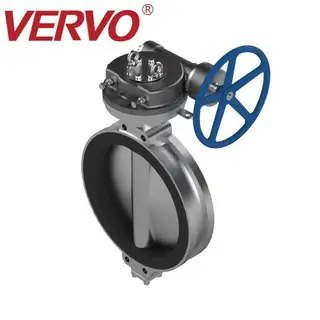
A concentric butterfly valve is one of the most widely used types of butterfly valves for regulating and isolating fluid flow in pipelines. Also known as a zero-offset butterfly valve or resilient seated butterfly valve, it features a simple and symmetrical design in which the valve stem axis, disc centerline, and pipe centerline are all aligned on the same axis. This concentric structure provides excellent flow performance, compact construction, and cost-effective operation.
Unlike double-offset or triple-offset butterfly valves, the disc of a concentric butterfly valve rotates directly through the center of the pipeline. When the valve is closed, the disc makes full contact with the resilient seat, creating a reliable shutoff seal. The sealing system typically uses soft elastomeric materials such as EPDM, NBR, PTFE, or Viton, which provide excellent sealing performance for low-pressure and moderate-temperature applications.
Due to its lightweight design, simple structure, and economical manufacturing cost, the concentric butterfly valve has become a preferred solution for many industries, including water treatment, HVAC systems, irrigation, food and beverage processing, chemical processing, marine applications, and general industrial piping systems.
As a leading concentric butterfly valve manufacturer, we provide high-quality butterfly valves with various body materials, connection types, and actuator options to meet different industrial requirements.
The main feature of a concentric butterfly valve is its centered disc and stem arrangement. The stem passes through the center of the disc, and the entire assembly rotates around the central axis of the pipeline. This design minimizes mechanical complexity while ensuring reliable flow control.
A typical concentric butterfly valve consists of the following major components:
The valve body provides structural support and connects the valve to the pipeline. Depending on application requirements, the body can be manufactured from different materials, including:
- Cast iron
- Ductile iron
- Carbon steel
- Stainless steel
- Aluminum alloy
The compact body design reduces weight and installation space compared with many traditional valve types.
The disc is the primary flow control component. It rotates inside the valve body to open, throttle, or shut off fluid flow. The streamlined disc design reduces turbulence and minimizes pressure loss when the valve is fully open.
The disc material is selected according to the operating environment and fluid characteristics. Common materials include stainless steel, ductile iron, and coated carbon steel.
The stem transfers rotational movement from the actuator or handle to the disc. Depending on the valve design, stems may be one-piece or two-piece structures. High-strength stainless steel stems are commonly used to provide corrosion resistance and long service life.
The resilient seat provides sealing between the disc and valve body. Since concentric butterfly valves rely on soft sealing technology, they can achieve excellent shutoff performance with relatively low operating torque.
Common seat materials include:
- EPDM: Suitable for water, wastewater, and general fluid applications
- NBR: Ideal for oil and petroleum-related applications
- PTFE: Provides excellent chemical resistance
- Viton: Suitable for higher-temperature and aggressive media
The working principle of a concentric butterfly valve is based on the rotational movement of a circular disc inside the valve body. The valve controls fluid flow by rotating the disc approximately 90 degrees between the fully open and fully closed positions.
When the valve is fully open, the actuator rotates the stem until the disc is positioned parallel to the direction of fluid flow. In this position, the disc creates minimal obstruction inside the pipeline.
The advantages of the fully open position include:
- Low pressure drop
- Reduced flow resistance
- Efficient fluid transportation
- Lower pumping energy consumption
Because the disc remains inside the flow path, concentric butterfly valves may create slightly more turbulence compared with some full-port valve designs. However, for most general industrial applications, the pressure loss remains within acceptable limits.
When the valve needs to stop the flow, the actuator rotates the stem by 90 degrees. The disc moves perpendicular to the pipeline and presses against the resilient seat.
The flexible seat deforms slightly around the disc edge, creating a tight seal that prevents leakage. This simple sealing mechanism allows the valve to provide dependable shutoff performance while maintaining a compact structure.
Although primarily used for isolation, concentric butterfly valves can also be used for flow regulation. By positioning the disc at different angles between 0° and 90°, operators can adjust the flow rate according to system requirements.
For precise control applications, however, specialized control valves may provide better accuracy and stability.
Concentric butterfly valves offer several advantages that make them suitable for a wide range of industrial applications.
The simple design requires fewer components compared with many other valve types. Lower manufacturing costs, reduced material usage, and easier maintenance make concentric butterfly valves an economical choice.
Compared with gate valves or globe valves of similar sizes, butterfly valves require less installation space and are significantly lighter. This makes them easier to transport, install, and maintain.
The resilient seat design provides excellent bubble-tight shutoff performance. Soft sealing materials compensate for minor imperfections on the disc surface, ensuring dependable operation.
The centered disc design reduces mechanical stress and allows smooth operation with relatively low torque requirements. Manual handles, gear operators, pneumatic actuators, and electric actuators can all be installed depending on automation needs.
The simple internal structure reduces maintenance requirements. Many concentric butterfly valves can be serviced without removing the entire valve from the pipeline.
Concentric butterfly valves can be operated using:
- Manual lever handles
- Gear operators
- Pneumatic actuators
- Electric actuators
- Hydraulic actuators
This flexibility makes them suitable for both manual systems and fully automated industrial processes.
Due to their excellent balance between performance and cost, concentric butterfly valves are widely used in various industries.
These valves are commonly installed in water distribution networks, filtration systems, pumping stations, and wastewater treatment facilities because of their corrosion resistance and reliable shutoff performance.
In heating, ventilation, and air-conditioning systems, concentric butterfly valves regulate chilled water, hot water, and other circulating fluids.
With suitable seat and body materials, butterfly valves can handle various chemical fluids and provide reliable isolation.
Stainless steel versions with appropriate sealing materials are used in hygienic processing applications.
Their lightweight design and low maintenance requirements make them ideal for agricultural water management systems.
Concentric butterfly valves are frequently used in fire protection pipelines due to their fast operation and dependable shutoff capability.
The main difference between concentric and offset butterfly valves is the position of the disc and stem relative to the valve seat.
A concentric butterfly valve has a centered stem and disc, creating direct contact between the disc and seat during operation. It is best suited for low-pressure applications where cost efficiency and reliable sealing are important.
An offset butterfly valve moves the stem away from the centerline, reducing friction between the disc and seat. Double-offset and triple-offset designs are typically used for higher-pressure, higher-temperature, and more demanding industrial applications.
Therefore, concentric butterfly valves are generally preferred for:
- Water applications
- Low-pressure pipelines
- General industrial services
- Cost-sensitive projects
A concentric butterfly valve is a reliable, economical, and versatile flow control solution featuring a centered disc and stem design. Its simple construction, lightweight body, low operating torque, and dependable soft sealing performance make it one of the most popular valve choices for industrial pipeline systems.
With proper material selection and actuator configuration, concentric butterfly valves can provide long service life and efficient operation across a wide range of applications. From water treatment and HVAC systems to chemical processing and industrial utilities, these valves continue to play an essential role in modern fluid control systems.