Ceramic Valves Used in Production
Jan 18, 2024
1.1 Applications of ceramic valves in wastewater recovery and corrosive media
Ceramics is a type of inorganic non-metallic material made from natural or synthetic compounds that are shaped and sintered at high temperatures. They can be divided into two categories according to their characteristics and uses: structural ceramics and functional ceramics. Structural ceramics refer to ceramics that can be used as engineering structural materials. They have characteristics such as high strength, good hardness, high elastic modulus, high-temperature resistance, wear resistance, and thermal shock resistance. Structural ceramics are divided into oxide series and non-oxide series and ceramic matrix composites for systems and structures. Functional ceramics refer to a type of ceramics that have electrical, magnetic, optical, acoustic, superconducting, chemical, biological and other properties, and have mutual conversion functions. Ceramic is the material with the best stiffness and greatest hardness among engineering materials, and its hardness is mostly above 1500hV. At present, ceramic valves have been widely used in harsh working conditions such as thermal power generation, steel metallurgy, waste incineration, silicon and salt chemical industry, mining papermaking, abrasives and abrasives industries.
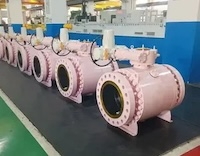
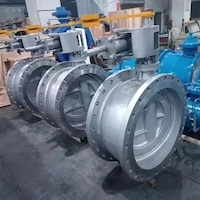
Ceramics is called the mother of inorganic materials. Traditional ceramic has superior properties of high-temperature resistance, corrosion resistance, and high strength. With the continuous development of the industry, the performance of new ceramics has been greatly improved. The main raw materials of new ceramics are alumina, silica and magnesium oxide, which have good corrosion resistance. Fully lined ceramic metal-seated ceramic ball valves are now used in the silicon and salt chemical industries. The valve body is made from stainless steel lined with ceramics. All the contact parts between metal and ceramics adopt a hot fitting process; the combination is firm and reliable, which enhances the mechanical strength of ceramics, making structural ceramics truly become ceramic steel. All parts in contact with the medium are structural ceramics, so this type of valve has extremely good corrosion resistance, and wide applications, which is suitable for any medium except hydrofluoric acid. The maximum temperature can reach 220°C, which is greatly improved than the temperature resistance of plastic-lined valves. In gas-alkali industrial production, most corrosive media are acid and alkaline, and ceramic ball valves can be considered for production.
1.2 Ceramic valves used in the liquid chlorine filling process and under high pressure and negative pressure
The production of liquid chlorine uses the properties of the gas to pressurize and cool the chlorine to liquefy it. Pure liquid chlorine is non-corrosive to pipes and valves, but if the raw chlorine contains too much water, it will cause corrosion. After on-site production and operation for some time, the valve will have problems such as jamming and difficult adjustment. After dismantling and inspecting the pipeline, it was found that black and brown substances accumulated inside the valve of the pipeline. After laboratory analysis, they contained Fe3+ and Fe2+. This is because the chlorine in the system contains a lot of water, which causes corrosion to the pipeline. In the corrosion process, rust is formed and falls off and slowly accumulates, causing failures of valves. The liquid chlorine filling process is complicated and requires automatic shut-off valves and control valves to ensure the safety and reliability of the entire process. Because of the characteristics of the medium, high pressure, low temperature, and negative pressure of the pipe during the vacuuming stage, the requirements for the valve are very high. Adopting metal seated ball valves is pressure and tensile resistance, but If the moisture is much during the chlorine treatment stage, it will corrode the sealing surface and valve core, causing internal leakages of the valve, which poses a safety hazard. Plastic-lined valves have good corrosion resistance, but negative pressure is not allowed. If there is negative pressure, it will cause the fluorine plastic lining layer in the inner cavity of the valve to be sucked and unshelled, causing the valve to malfunction after opening and closing.
Ceramic ball valves not only have anti-corrosion, but also can resist hot and cold shocks. They will not break when heated to more than 1000°C in the air. They will not break even if they are cooled rapidly or heated rapidly. By analyzing the liquid chlorine filling process and selecting a ceramic ball valve made from appropriate materials, this working condition can be met. Through technical exchanges with ceramic valve manufacturers and structural improvements to existing valves, ceramic valves can be used in liquid chlorine filling.
1.3 Ceramic valves used in calcium carbide slurry and media containing solid particles
Ceramic valves have proven to be highly effective in handling calcium carbide slurry and media containing solid particles. Calcium carbide slurry is a mixture of calcium carbide and water, which is commonly used in various industrial processes such as steelmaking and acetylene production. The presence of solid particles in the media further complicates the handling process. Ceramic valves have good abrasion resistance. The good hardness and toughness of ceramics allow them to withstand the erosive effects caused by solid particles present in the slurry or media. This ensures a longer valve lifespan and reduces maintenance costs. Ceramic valves also offer excellent chemical resistance. Calcium carbide slurry can be highly corrosive due to its alkaline nature, but ceramics are known for their inertness towards most chemicals. This makes them ideal for applications involving aggressive media. Furthermore, ceramic valves provide superior sealing properties compared to other materials such as metal or plastic. The tight seal prevents leakage, ensuring efficient operation and preventing contamination of the surrounding environment.
Previous: Valves Used in the Chemical Process